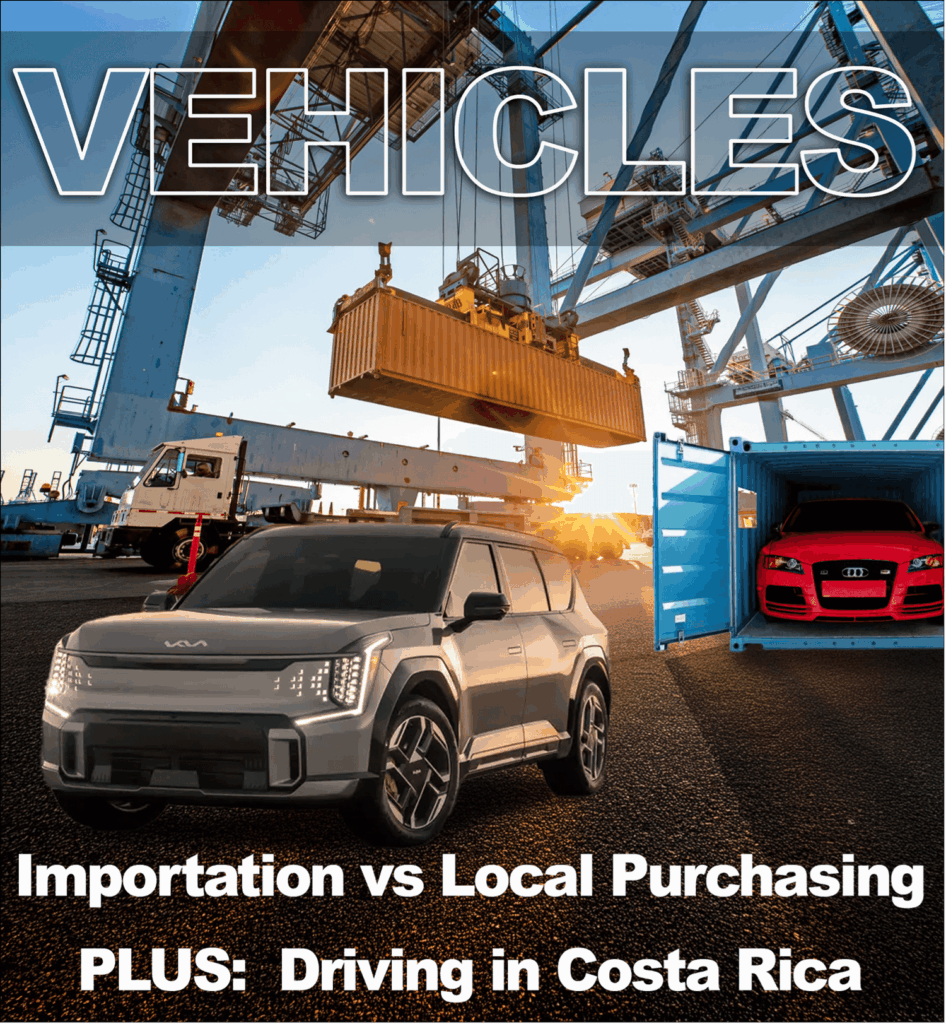
- Tax-Free Vehicle Importation to Costa Rica
- Purchasing New and Used Vehicles in Costa Rica
- Driving In Costa Rica
Most of the emails I receive regarding importation concern vehicle imports. As for the importation of furniture and other personal effects, check with your customs broker once you submit the actual list to confirm what you intend to import and whether pursuing tax exemption, with all its red tape, is worth the risk and effort. (Likely not). FYI: Following their importation experiences, most clients lament that they brought too much “stuff”. So, make some hard decisions to lighten the load coming to Costa Rica. (IE: How often will you re-read any of those books you plan to bring here? Wear anything not made of natural fibers?)
The best advice about importing vehicles:
Forget about trying to get a tax exemption for imported vehicles.
The rules are full of poison pills and are too complicated and restrictive. This is most likely a means of appeasing local car dealerships seeking to protect their hard-won turf. They are held to the same high (costly) performance standards by their mainline manufacturers as by U.S. and Canadian dealers, and they operate in a highly competitive marketplace in Costa Rica.
Under the new tax exoneration (exemption) rules:
- You can’t sell the vehicle for ten years.
- Only you or your immediate family can legally drive it.
- There will be a tangle of red tape, exorbitant lawyers’ fees, and exposure to high storage fees while the red tape is being completed. You will find yourself immersed in the labyrinth of Costa Rica’s customs system, which operates under a cloud of corruption.
Regardless of how you import a vehicle, there is no warranty “migration” from the country of origin.
If you have a vehicle you don’t want to part with in the US or Canada, such as something with unusually low mileage, customization, or something you acquired way below market value, it may be worth importing through the regular system. Even after paying the total tax, you may save significantly compared to purchasing in Costa Rica. There is also the benefit of a reliable history report from U.S./Canadian systems, compared to those in Costa Rica.
You should always enlist the services of a well-vetted customs broker.
Here are two that I am familiar with: (There are a few other reliable ones out there).
Charles Zeller
SHIP TO COSTA RICA
2431-1234
shiptocostarica@ship506.com
Costado Sur De Oxigeno,
Altos De Esencial Mercadito San Francisco,
Heredia Province, Heredia, 40101
https://www.internationalrelocationpartner.com/
But for 99% of you, selling your vehicles in the U.S. or Canada and repurchasing here in Costa Rica will be best.
Yes. You will take a heavy upfront tax hit. But only on the first vehicle you purchase here. New or used. Then, when you resell it, you will be astounded by the high resale value compared to the same resale/bluebook value in the U.S. or Canada. Another thing that will surprise you is the relatively low insurance costs for new vehicles. The reason is that most vehicle accidents involve older cars driven poorly by unqualified, uneducated, or attitude-enslaved drivers with a chip on their shoulder. (You will spot them everywhere.)
What follows is based on my experience and the real-world expertise of immediate family and close friends in the automotive service business in Costa Rica.
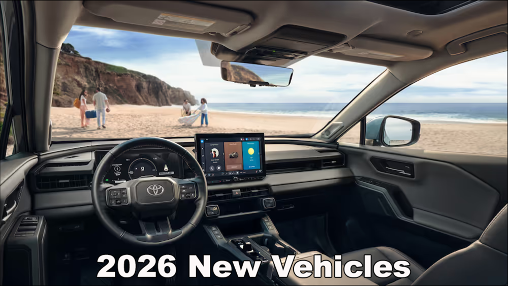
Begin by carefully re-considering your brand bias. Many of those were developed with biased logic. Before making a final decision, check the brand’s reliability ratings. Things change from year to year. Read multiple reviews. Some are more objective than others.
WARNING: Several automotive brands and models are about to be discontinued. Surf the many YouTube videos on the subject and get up to speed BEFORE you purchase anything.
Though not necessarily justified, most Ticos view American brands as inferior to Asian or EU brands. But Ford, GM, and Chrysler are all well represented here, mostly with pick-ups and SUVs. Due to the public perception, they do not retain value nearly as well as Asian brands. The top-rated mid-range brands here are Toyota, Honda, and Subaru, which are consistent with global consumer ratings. Due to its lower upfront purchase price, Hyundai/Kia is the most popular brand here. Nissan, Suzuki, Mazda, and Mitsubishi are also well-represented. The dominant brand is Toyota, marketed exclusively here by Purdy Motors, with an extensive nationwide network of locations and support. Purdy also has the Lexus and Subaru franchises. That is followed by Honda (my personal preference due to a more intelligent and personalized sales experience), sold exclusively by FACO Honda, with a leading dealership in San Jose (Uruca), another in Curridabat, and another in Liberia across from the airport.
For the prestige-minded, all top brands are sold here with excellent support. Again, choices should be made only after reviewing multiple consumer rating sites on Google. Top-selling brands here in order of sales volume: Lexus, BMW, Audi, Mercedes-Benz, Land Rover, Volvo, Jaguar, Porsche, Maserati, and Ferrari. If you can afford these brands, you won’t care about the confiscatory luxury taxes levied on these brands. Just be ready for the crash diet on your wallets.
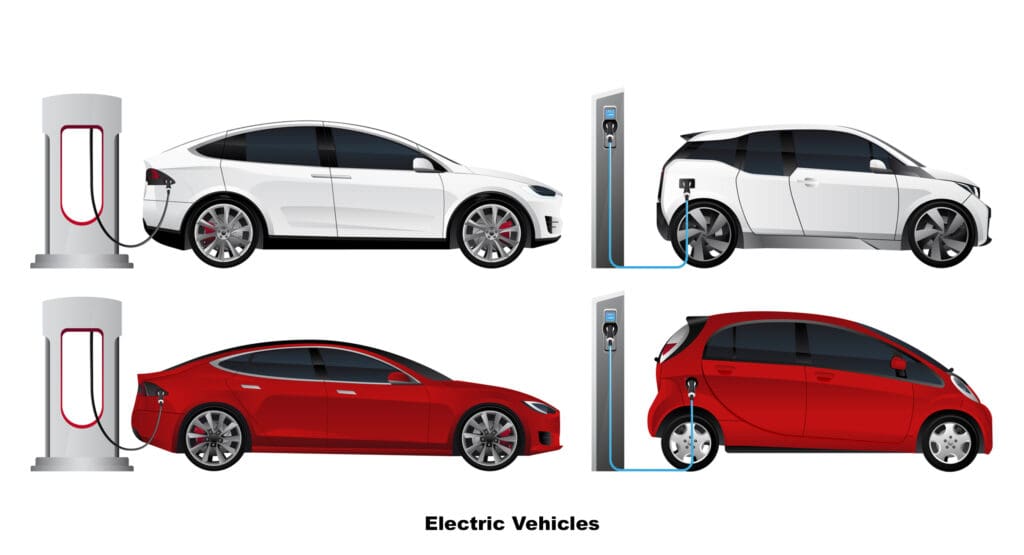
Most of us love the driving experience of e-cars. A large share of Costa Rica’s electricity is generated from renewable resources. (Except the bunker crude-fired plant in Barranca near Puntarenas). We are a net exporter of hydroelectricity due to the favorable combination of high mountains, abundant rainfall, abundant sunlight, and numerous geothermal systems in northern Costa Rica, fed by underground volcanic activity.
Environmentalists (not all), governments, global manufacturers, and politicians are nudging us toward electric. Costa Rica dealerships are aggressively promoting them. The costs of most of the EVs have come down substantially.
Aside from any acrimonious arguments against claims of environmental contributions (there are plenty), I’ll only focus on more tangible issues at hand. As of this writing, Costa Rica dealers still lack fully trained technicians and the costly, essential EV service tools. However, EV infrastructure has improved. Additionally, EV models currently being imported support a 500 km charge, equivalent to a full tank of gas in a mid-sized SUV. But take a hard look at your proposed travel patterns and research the charging stations in your area to determine the viability of ownership.
It may not be the right time for you, as an expat, to make such a purchase. Nevertheless, if you are determined to own one, ensure the brand you purchase is properly backed by a bona fide dealer/distributor/importer, and stick only with leading brands that offer warranty, parts, and accessible service.
Therefore, before you purchase any EV, be sure to check with the highly credible Costa Rica Vehicle Importers Association. https://www.aivemacr.com/
If in doubt, back away.
Where to begin shopping for new and used vehicles.
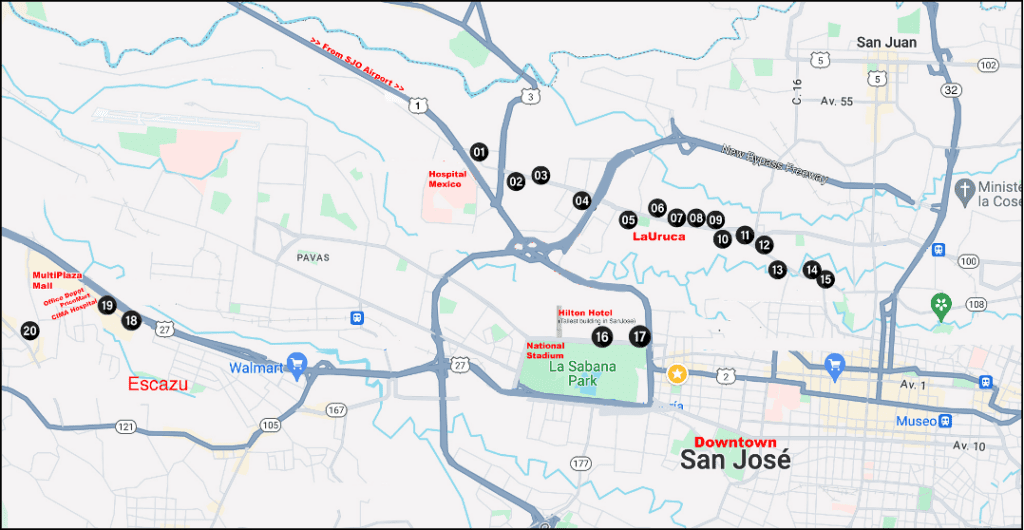
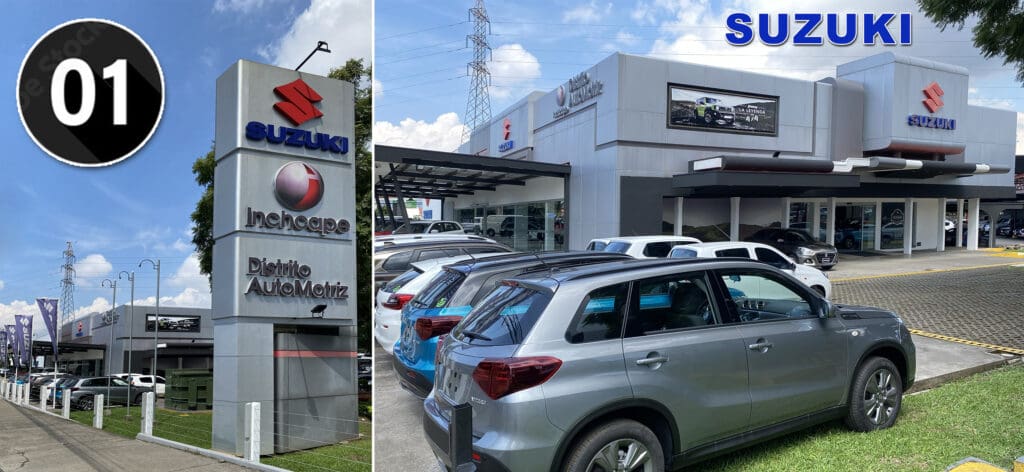
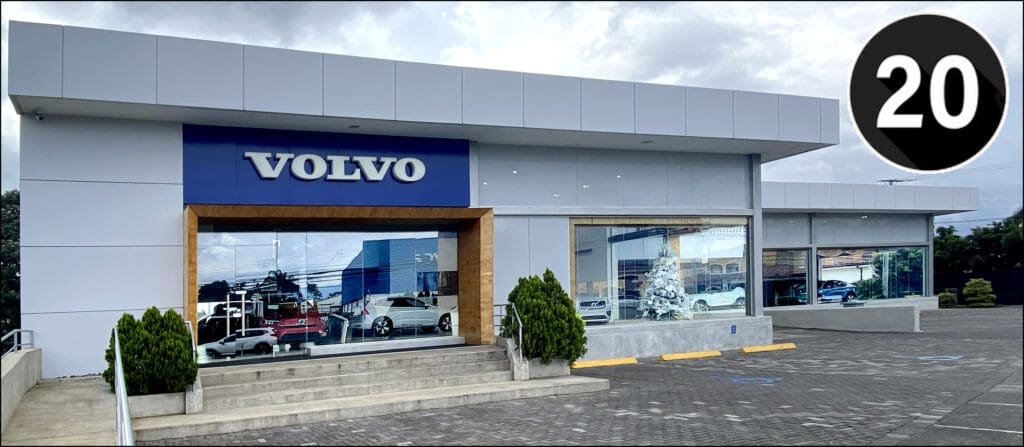
Head first to San Jose, where most leading brand dealerships are located along a single strip in La Uruca. Well worth the trip for a day or two of thorough shopping. Dealerships/Brands are listed on the map below in order of location (not quality), from left to right and top to bottom.
Dealers

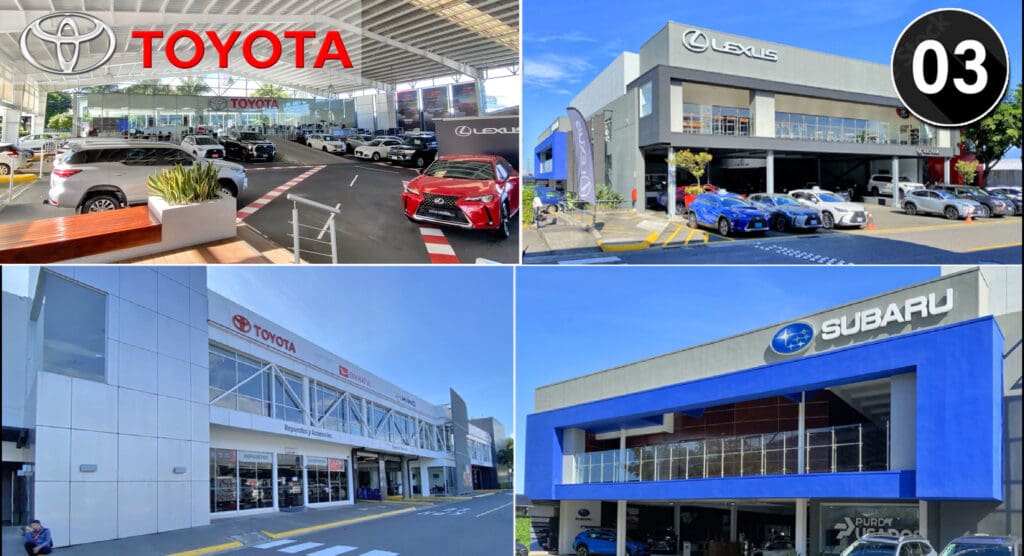
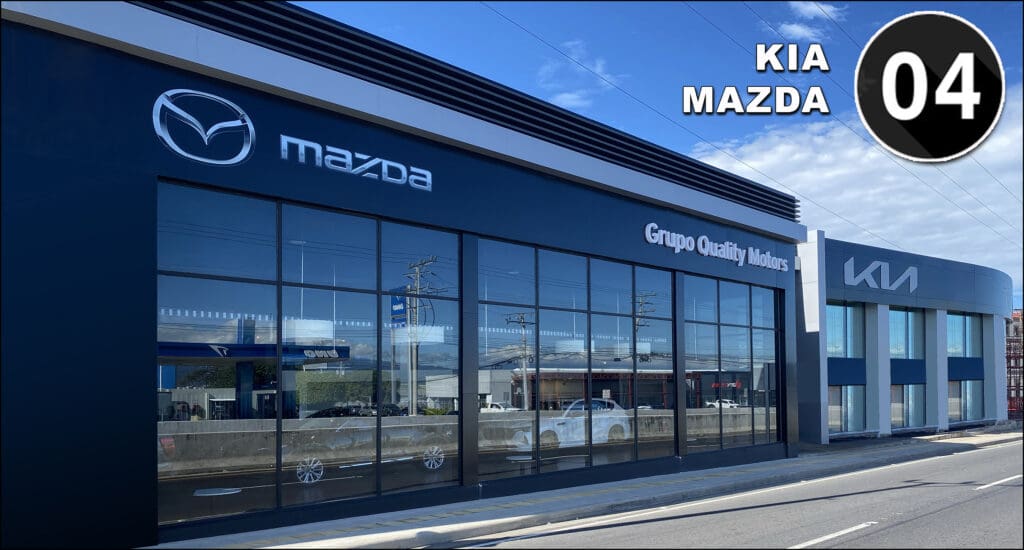


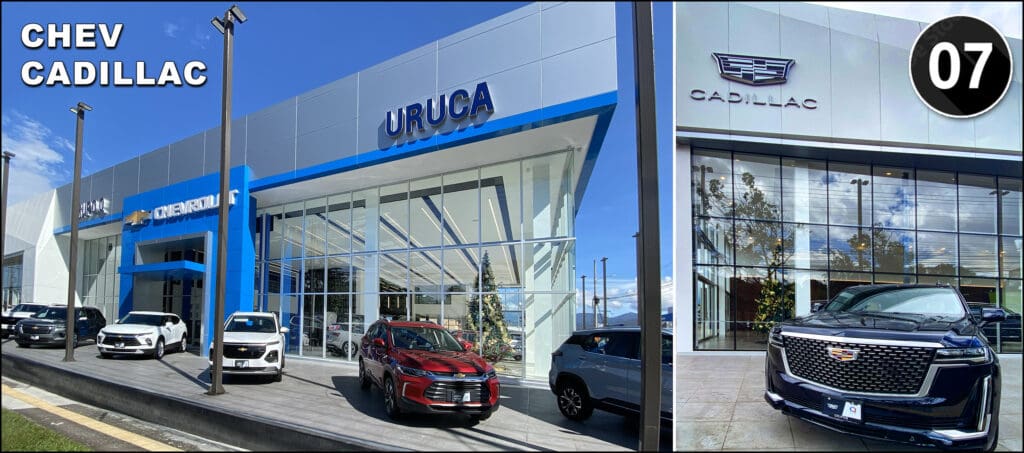
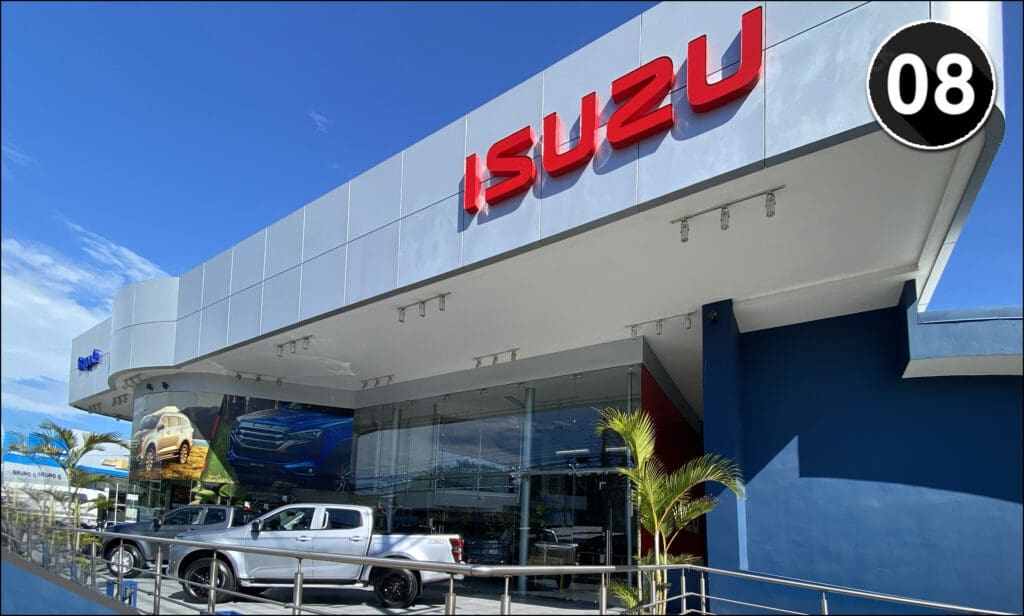


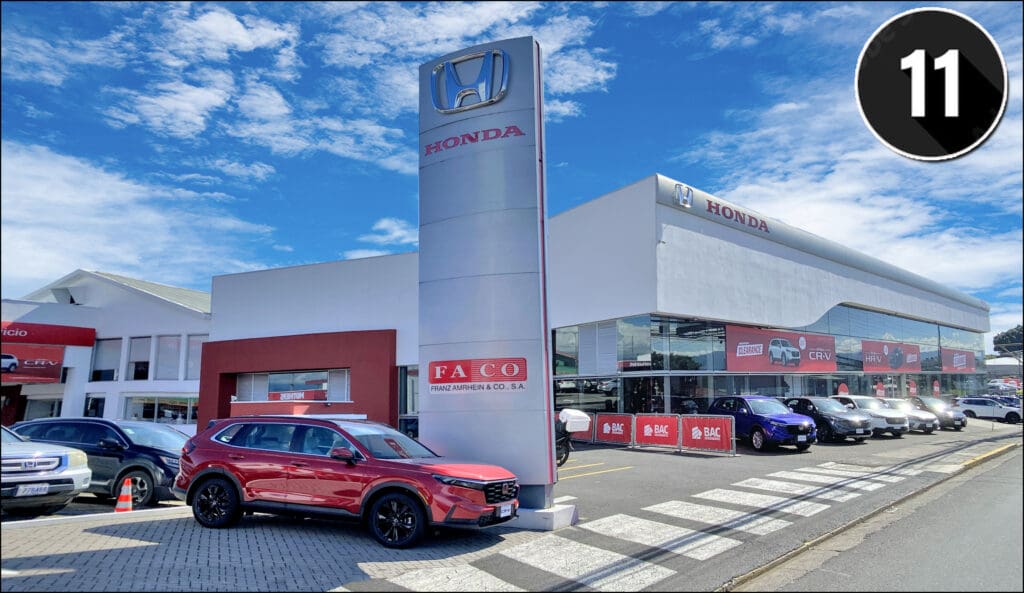
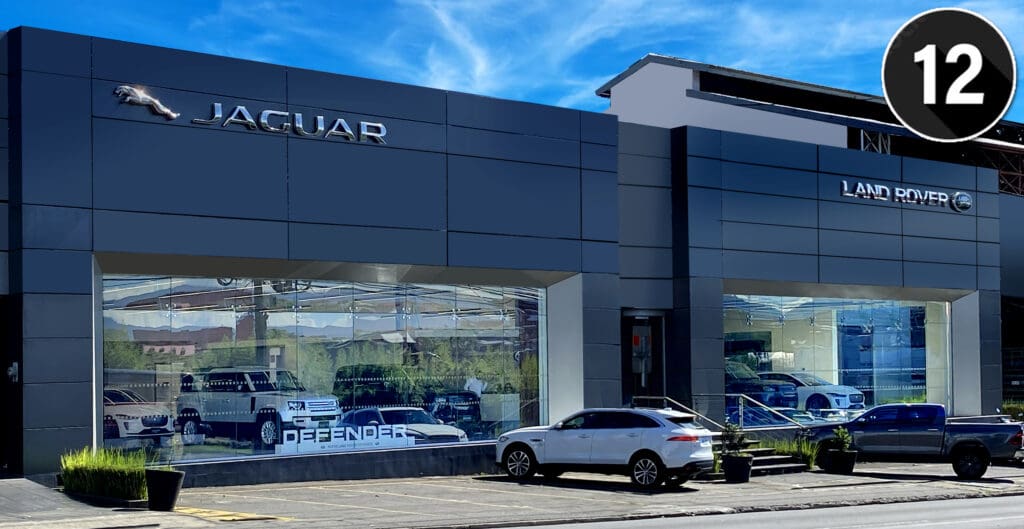

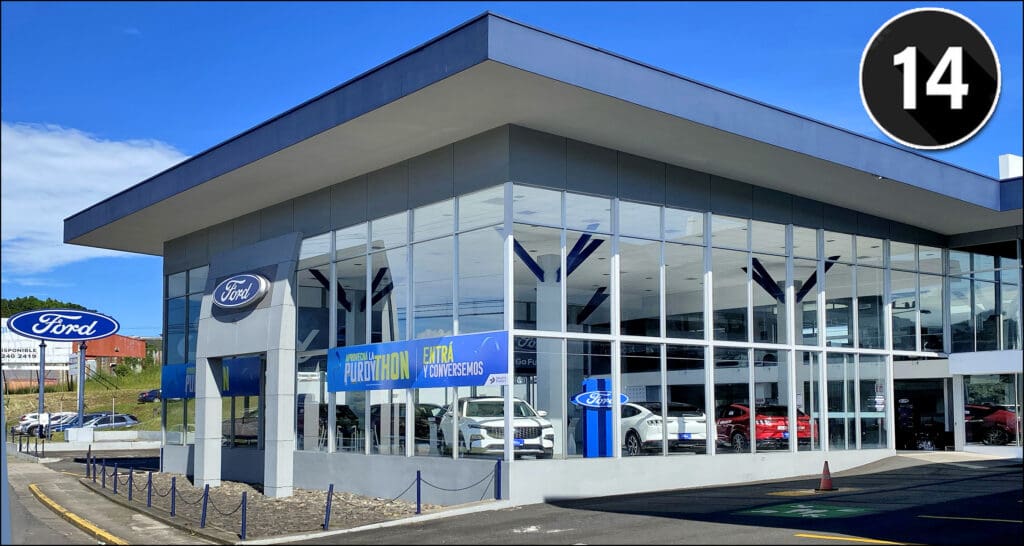
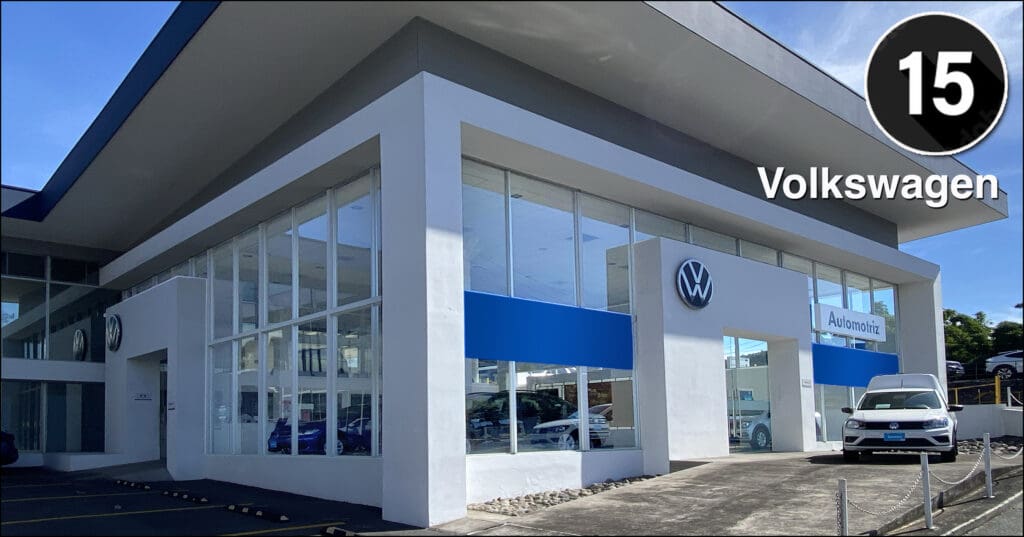


Dealers
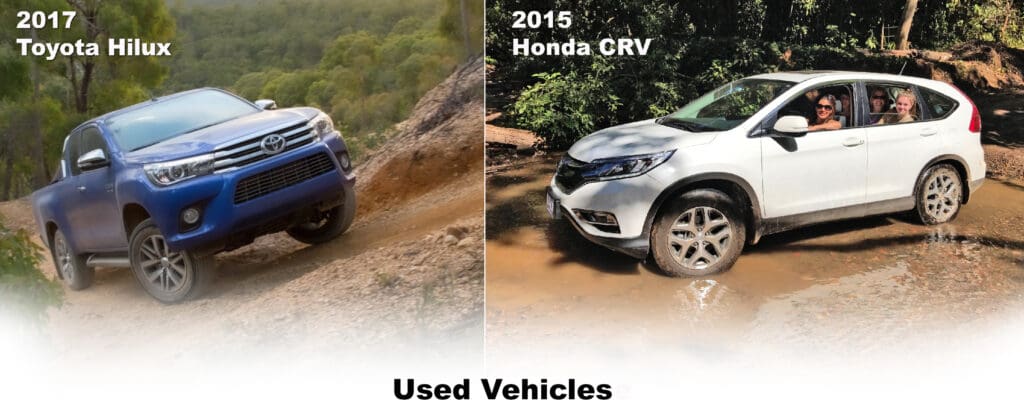
I am nervous about purchasing a used vehicle in Costa Rica. Over the years, I have received too many emails from clients who were misled into buying defective vehicles. At the same time, far more clients have successfully obtained a reliable used vehicle at a fair price. Due diligence is critical.
The Hunt
My first choice would be to visit all new-vehicle dealers and review their used inventory.
Why?
When they take a trade-in and determine it is in decent shape after a thorough multi-point inspection, they service and certify it and add it to their used inventory. If they are not confident in that trade-in, they call any number of local car jockeys and wholesale it out the back door. It would be a good idea to begin your search for a reliable used vehicle at any of the 21 new-car dealers listed above. (They’ve got other locations throughout Costa Rica, so look them up on Google to find the ones nearest to where you live).
There is also a local version of Car Hunters. https://www.carhunterscr.com/
They are not affiliated with any organization outside Costa Rica and are privately owned and operated. They have a certified pre-owned vehicle inventory to choose from. Or if you have something particular in mind, give them the specs, and they hunt for it. If it exists in Costa Rica, they’ll find it through an extensive list of contacts with other car dealers. (new and used) who they have vetted as reliable.
I have only vetted Car Hunters superficially with a lengthy phone interview, but I was very impressed with what I heard. They have also received excellent reviews on social media from clients. Based on that, you should contact them and give them a chance.
Google lists other car locator services that I still need to vet personally. Some are a tad sketchy in how they operate. Be wary.
How to purchase a vehicle in Costa Rica
For a complete guide on how to purchase a car in Costa Rica, you will be well served to read this comprehensive article by my friend and affiliate Allan Garro: https://www.garrolaw.com/everything-you-need-to-know-about-buying-a-car-in-costa-rica/
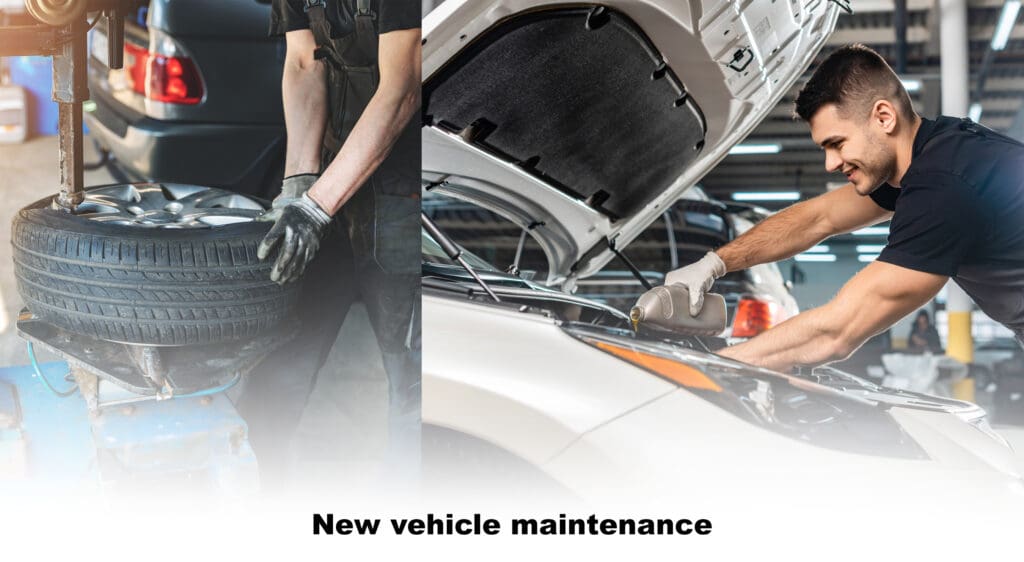
Regular maintenance for all new cars is often performed by many local service centers and quality local garages, using original-brand filters, top-quality oils, wiper blades, brake pads, and rotors. Top-rated locally produced Bridgestone tires are available from PriceMart, priced at about 50% of the cost of the same from the original dealers. Be thorough in vetting anyone you choose to provide the service nearest your residence.
If in doubt, ask around or stick with the original dealer.
Also, once your vehicle is out of warranty, be careful about the source of replacement parts. Use only original brand parts (OEM) or replicas from the U.S.A. or Korea and never from China, as those lack fit and durability.
Costa Rican gasoline is not the “cleanest.” Therefore, perform the regularly scheduled oil changes to prevent premature engine wear caused by pollutants in the gas sold here. Tend to this religiously, and your vehicle will last much longer. Same logic for used cars.
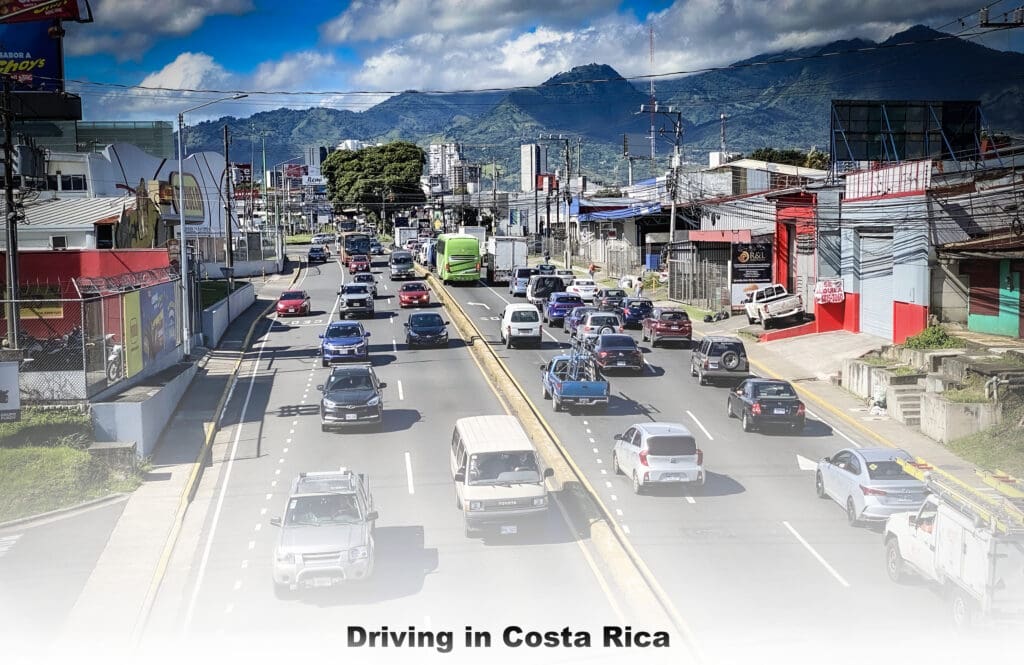
In a word: Different.
You need to reframe your approach to driving when you come to Costa Rica.
I was once at a U.S. Embassy affair speaking with a liaison staffer who had been posted worldwide. Our small talk got around to traffic. He cited Costa Rica as the most challenging to drive in, just behind India and Lebanon. Based on personal experience, I would add Montreal, Canada, Boston, MA., and Miami.
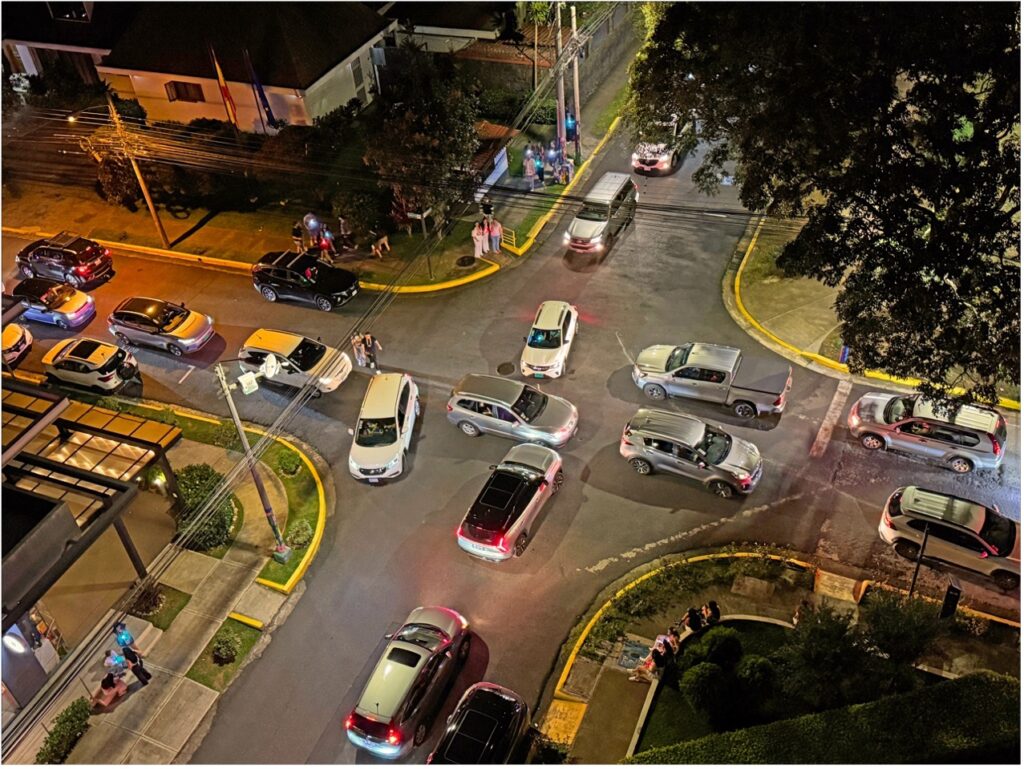
Latin culture, compromised road space and designs, seasonal flooding and mudslides, no road shoulders, overgrown foliage on the road edges, unqualified/unlicensed drivers, many older vehicles, underpowered farm trucks, and transport haulers – and worst of all, due to no enforcement – cell phone addicts.
But it is manageable if you learn to adapt.
And check your road rage. (It might prove fatal).
I often drive or am driven in road-clogged San Jose, where you must always be hyper-vigilant and defensive. I’ve been involved in zero accidents in 20 years and 220,000 km.
It is doable.
Looking closely, you will notice that 60% of drivers here are willing to be courteous and fair when sharing the road. In most cases, you encounter issues with 40% of other drivers. The rest of us proceed fairly and equitably. When someone lets you in line, be sure to flash your fourways at least three times. This signals a sincere “thank you.”
You must always carry emergency roadside equipment, including reflective cones, triangles, and wheel-changing tools. If stopped and checked, you can receive a ticket for not having a kit on board.
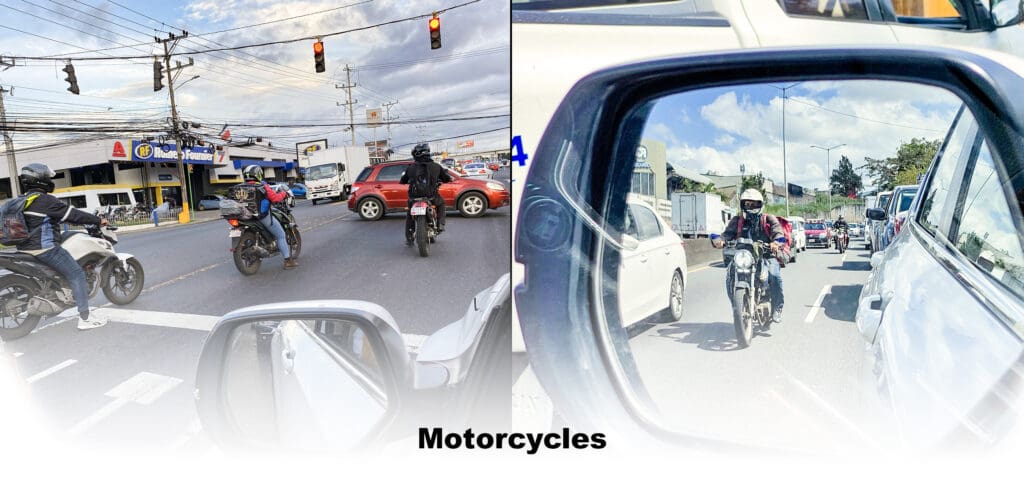
Costa Rican roads are heavily populated by a wide range of two-wheeled vehicles, from those infantile-looking scooters to motorized pedal bikes to “crotch rockets” (high-CC sport bikes) and Harleys. Watch out for all of them. They make their own lanes. Some are incredibly reckless, but most know exactly what they are doing.
Rather than trying to squeeze them out or block them from passing you, please move to the right or left and let them by. Most are providing an essential service. Many are messengers or food delivery individuals working hard to make a living. Others include students traveling to and from school and employees commuting to and from work.
Cut them slack.
You will get used to this over time. At all times, be hyper-vigilant for them before changing lanes. I see at least one motorcycle accident each week during my travels in San Jose. Those can cause massive traffic jams while the debris is cleared. Most of them are caused by passenger vehicles failing to yield. You want to be something other than that driver. Lengthy, time-consuming issues follow any such event, regardless of how minor the damage or injury is.
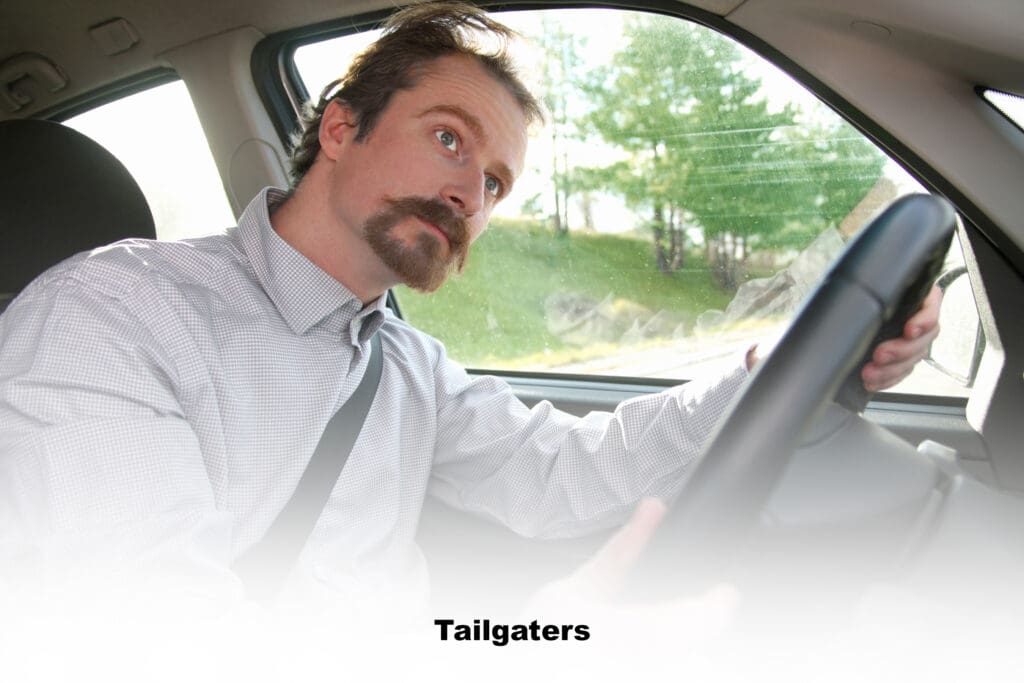
Tailgating used to be a significant issue here, but it has diminished significantly. If you encounter it, hit your four ways to signal the tailgater to back off. If they refuse, leave extra space in front of you to allow for a gradual stop when needed. Never argue with a fool, or very soon, others will be unable to distinguish between the two of you.
Patience.
Play it cool.
Defense is key
Due to budget constraints, there is only a fraction of the per-capita traffic police presence in Costa Rica compared to the U.S., Canada, or the EU. As such, speeding is widespread, and traffic signs are often ignored. Especially STOP or YIELD signs.
Assume nothing at any intersection.
Even if your light turns green, approach all intersections cautiously, looking both ways, and be ready to stop for someone running a red light. Older vehicles are most often the culprits in red-light running.
But the #1 annoyance is the widespread use of cell phones. (A.K.A.- digital heroin.)
Many drivers in any vehicle that needs to slow down or stop in traffic automatically resume cell phone use. It’s like Pavlov’s dog response. As a result, when the red light you are all waiting at turns green, be prepared to tap the horn to alert the driver ahead to lift their eyes from the phone and get moving. (A light tap. Not an angry trumpet blast.)
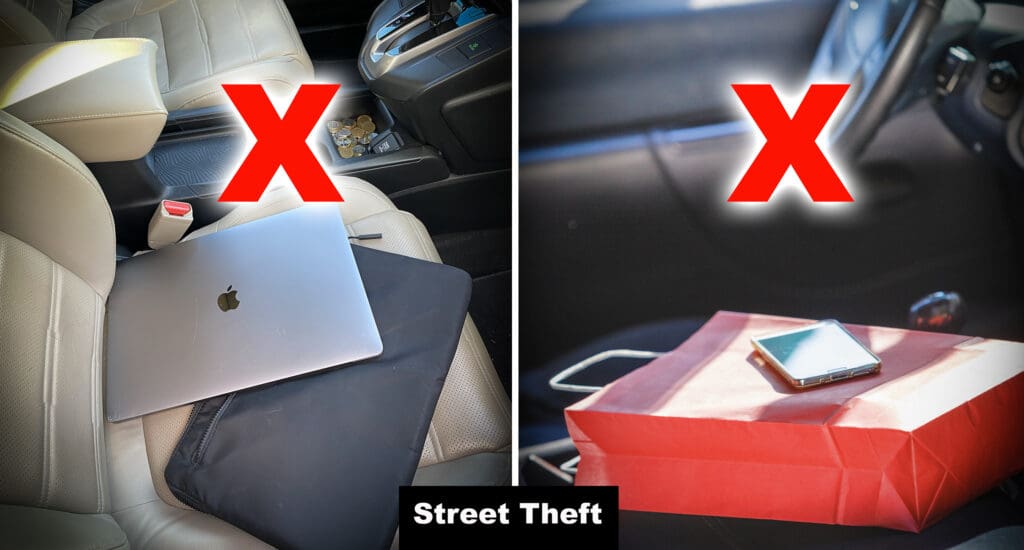
In Costa Rica, especially in tourist areas such as beaches or national parks, use the same common sense you would in any major city you are from. Keep your doors locked at all times, even when driving. Covid left many thousands destitute.
A refugee crisis has also placed many beggars and desperate people on street corners here. Most are only looking for a handout of change. But criminals/drug addicts sometimes blend into the mix. A locked door is the best deterrent.
When parked, don’t leave anything valuable on the seats or console. Take the extra time to conceal it, even if you intend to jump out for an errand for a few minutes. (famous last words).
Be disciplined in these routines and never find yourself on a victim list.
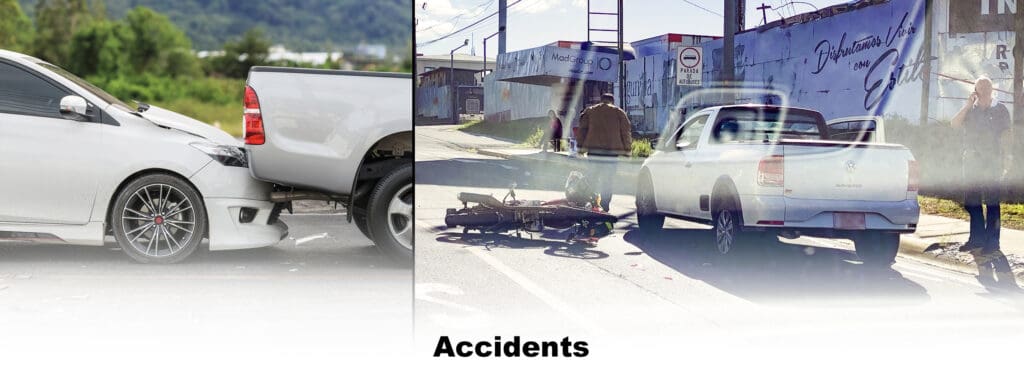
In Costa Rica, all vehicles involved in a traffic accident, regardless of how minor or severe the traffic tie-up, must remain in place until the authorities arrive to take measurements and notes and issue tickets. (Another law in desperate need of change). The process is much more onerous than in Canada and the U.S., so be a very defensive driver in CR at all times. If your vehicle is moving, you must be totally focused and undistracted.
Yes. You’ve been told that since you learned to drive.
But most forget that advice and “take breaks” from total focus. Costa Rica is where that rule applies 100% of the time. Blink, and you could hit that massive pothole or get crunched by that guy running a red light.
Parking
Parking on the wrong side of the street is common here and often causes accidents due to compromised visibility at intersections. Many venues have no enforcement. Also, yellow-painted curbs indicate no parking, but this is frequently ignored. This will drive you crazy if you let it. Don’t. Just add a bit more caution to your navigation.
However, in some venues, it may result in police issuing a ticket and removing your license plates. Retrieving them can be very costly and incredibly inconvenient.
Don’t emulate what you see many others doing wrong. Take the extra time to do what is correct and legal, and avoid trouble. Dealing with trouble here takes much longer than in the U.S. or Canada. Parking in a slightly less convenient spot may only result in an extra one minute of time, and less than that in walking distance.
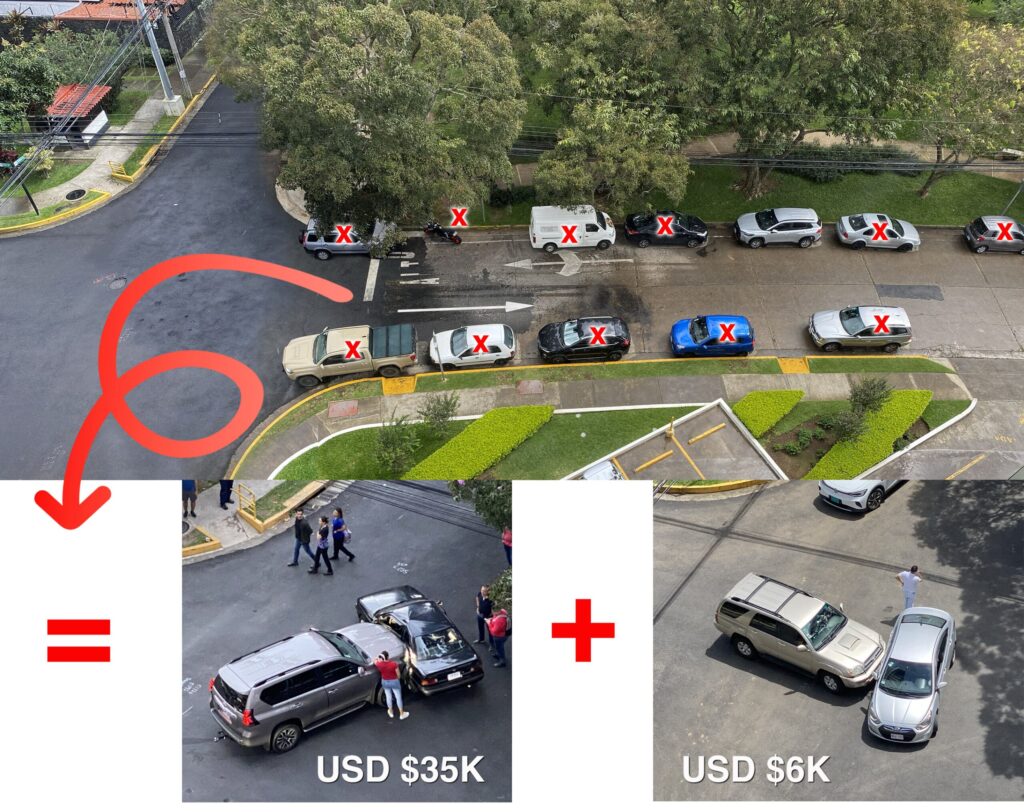
The cars marked with an “X” above are parked in the wrong direction. Some are also illegally parked in front of a yellow-painted curb. The vehicles nearest the left intersection are blocking visibility for moving vehicles to see oncoming traffic from the cross street. These two accidents were photographed within one week of each other. In the most costly accident, both drivers were on their cell phones. (as if the lousy parking hadn’t hindered visibility enough).
New traffic enforcement initiatives, including against cell phone use, have been strongly proposed. Budgetary shortcomings have hampered such needed change due to the economic devastation of COVID.
One proposal is to hire at least 1,000 additional transit police. These destructive behaviors are not an accepted reality here in Costa Rica. Most intelligent citizens here are incensed and are demanding a fix.
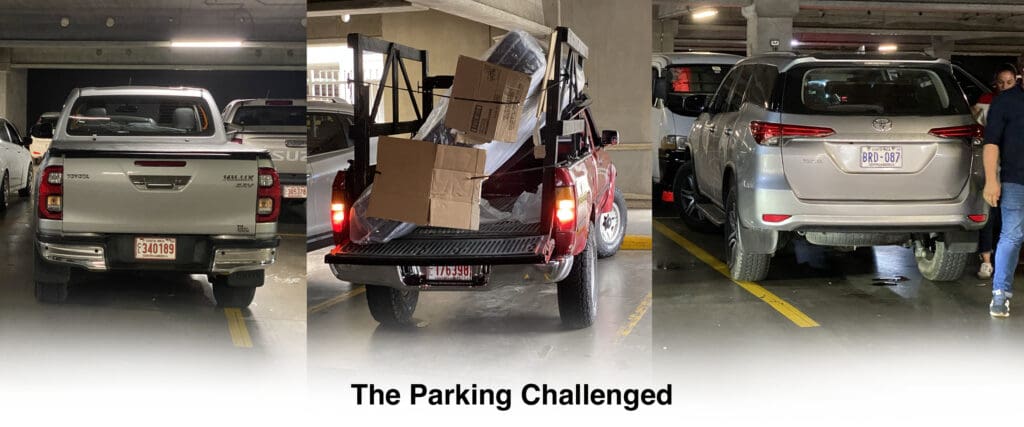
While most drivers here park correctly, a disproportionately high number just can’t be bothered. Parking a vehicle perfectly centered between the slot lines is optional. Consideration for others can seem like a very abstract concept. Thousands of dollars in damage occur each year as a result.
Choose a parking spot as far from the cluster of other cars as possible. An end spot eliminates the risk of someone parking next to you on at least one side and denting your vehicle.
Better yet, in a place with a vast parking lot, park as far away from others as possible (and under a light if at night). In a multi-level parking garage, choose the top floor for the most space and the fewest others. It dramatically reduces the risk of damage from others parking too close and denting your vehicle when opening doors. These habits typically require only 10 to 60 seconds of additional walking from your car to the venue entrance.
For example, the Escazu PriceMart lower-level parking lot is packed solid most evenings. At the same time, the upper level is empty, with the same access to the entrance via elevators, escalators, and carts. Astounding sheep-like behavior that you can turn to your advantage.
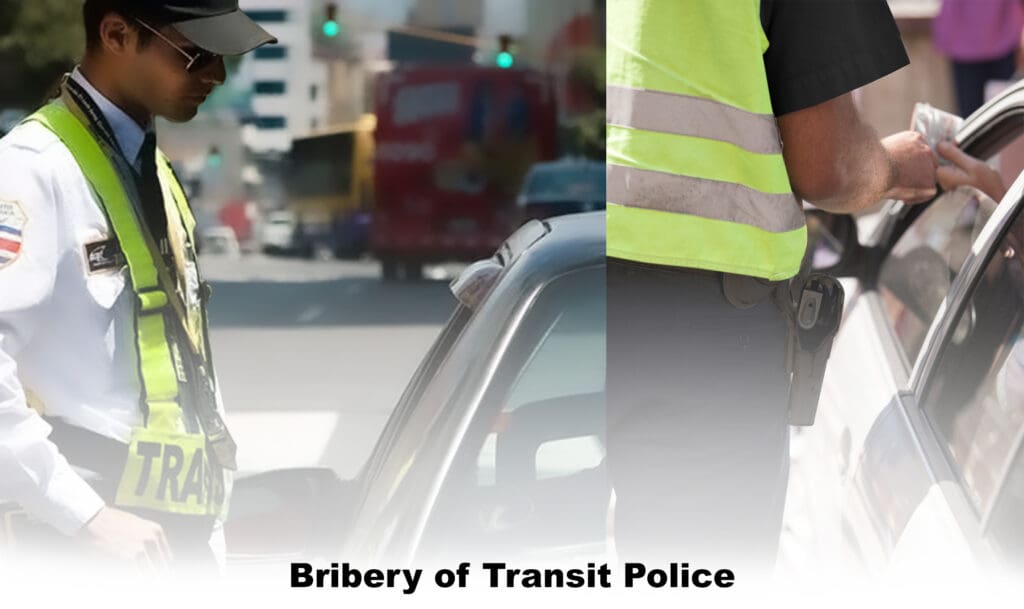
Please don’t do it.
It might be an easy way to avoid something. But it weakens the entire democratic system if it remains widespread. You cannot complain about corruption and then participate in it when it serves you. Consider also that if an officer does not extend an invitation for a bribe and you offer it unsolicited, he or she may be part of the increasing group of honest police officers – and additionally charge you with attempted bribery, which is far worse than a serious traffic ticket.
On the other hand, you may hear these set-up words:
“Don , or Doña , this is a grave offense that will cost you a lot of money… Oh boy, oh boy… whatever are we going to do…?”
A pause for effect then follows that, and then the “kindly suggestion” for a contribution of CRC 20 to 50K to make it all disappear. (The amounts suggested usually depend on the number of officers on the scene.)
Strong suggestion: Have your cell phone on “record” throughout the entire exchange. If the bribe is offered, you have a damning recording to play back to the officer and “kindly suggest” that he/she make it go away, or you will forward the recording to the courts as a means to end his career as a dishonest cop.
Then, drive more carefully.
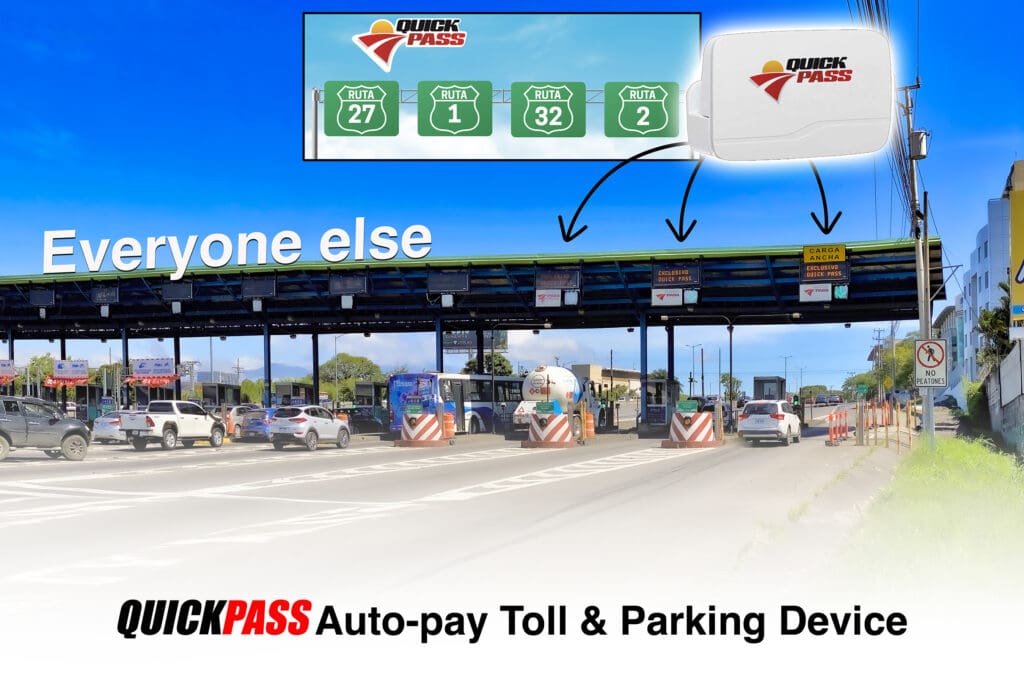
One of the best inventions for highway travel or parking garage entry/exit in Costa Rica is the Quick Pass radar device affixed to your windscreen just below the rearview mirror. They are available through most major banks here: globalviaruta27.com/quick-pass/
On many occasions on highways such as the Carretera Nacional (Route 27) from San Jose to the Pacific, you will find yourself trapped behind a long line of vehicles – until you hit the next set of toll gates. With a Quick Pass radar device affixed to the back of your windscreen, you proceed through the dedicated “QUICKPASS” lanes and suddenly pass those twenty+ obstructive cars previously in front of you. While they fiddle for change to pay in the manual lanes, you zip right through.
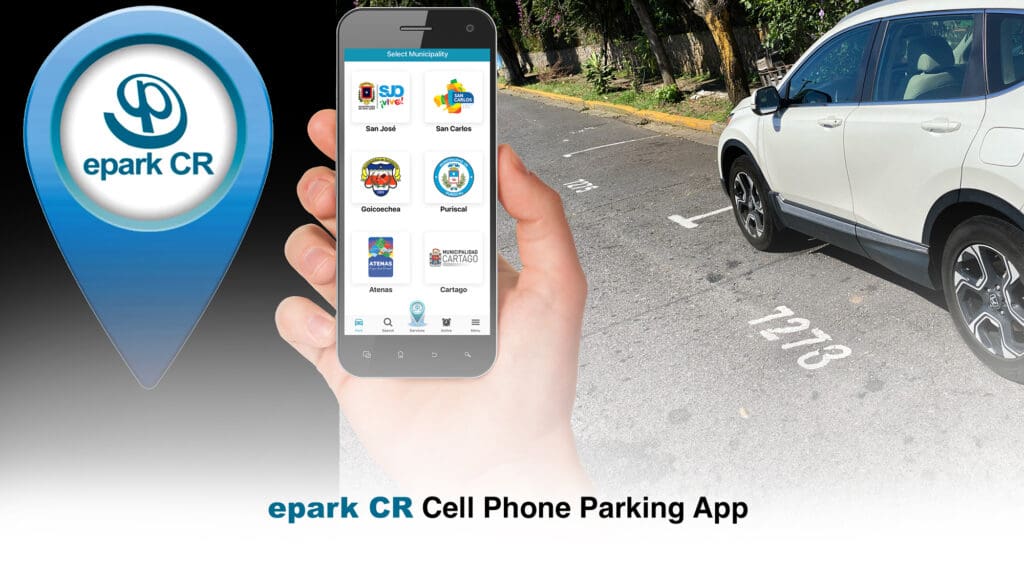
E-park CR is another very convenient technology for parking in designated (numbered) street parking spots in San Jose and surrounding areas such as San Carlos, Goicoechea, Puriscal, Atenas, and Cartago. Type in the parking space number, your plate number, and the requested time. You’re all legal at very reasonable rates. You can even pause time and save it for the following parking session. It does require a credit card linked to a Costa Rican bank.
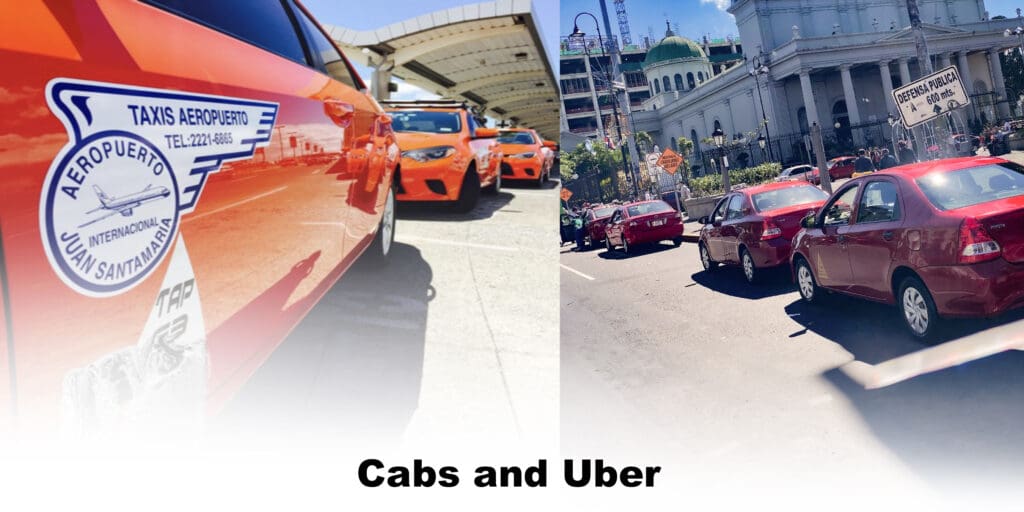
If using a cab or Uber remember these basic rules:
1) Don’t slam the door like you’re getting into a 1949 Buick with rusty hinges. It makes the driver furious. Easy does it.
2) Have smaller denominations of cash. (CRC 100, 500, 1000, 2,000s).
3) Never assume the cabbie knows the location where you want to go, no matter his level of confidence. Use WAZE and show them your cell phone screen.
4) When possible, choose as late a model of the cab as possible. If a derelict version shows up, you can refuse the ride.
5) At the SJO Airport, use only the orange cabs and vans.
6) If you are calling for an Uber and have luggage, stipulate a larger vehicle for a higher fee. Otherwise, a microcar the size of a roller skate will appear. Not a good scene when rushing to catch a flight. On average, Uber cars in Costa Rica are much smaller than in the U.S. or Canada. Otherwise, Uber’s driving standards are comparable.
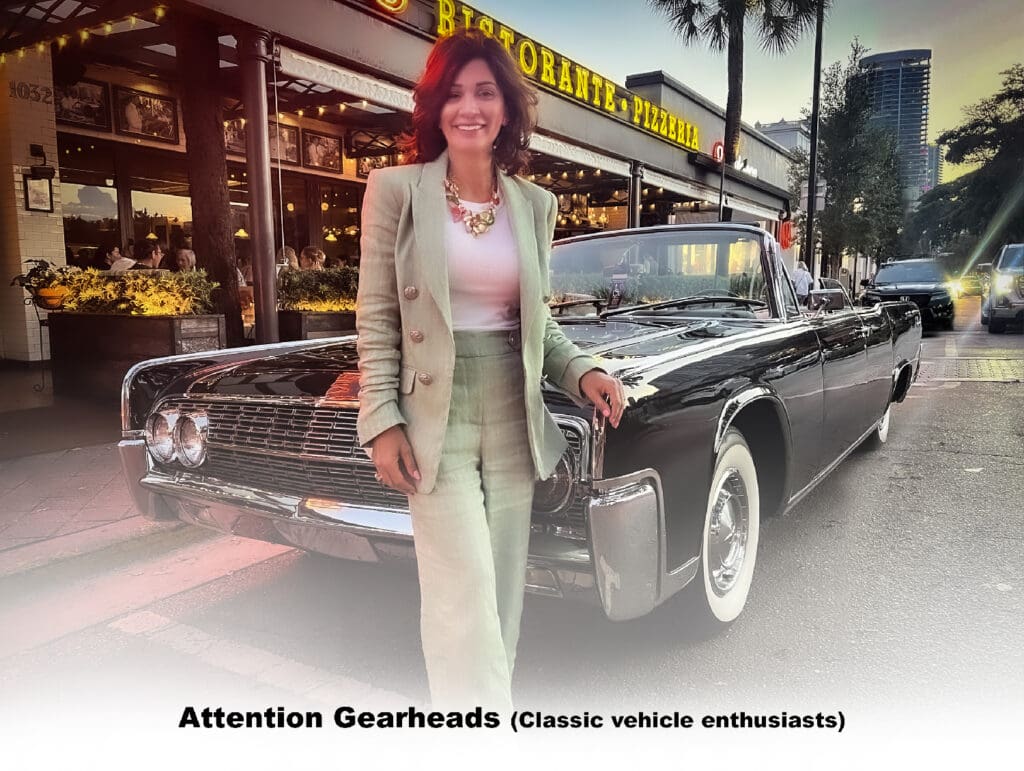
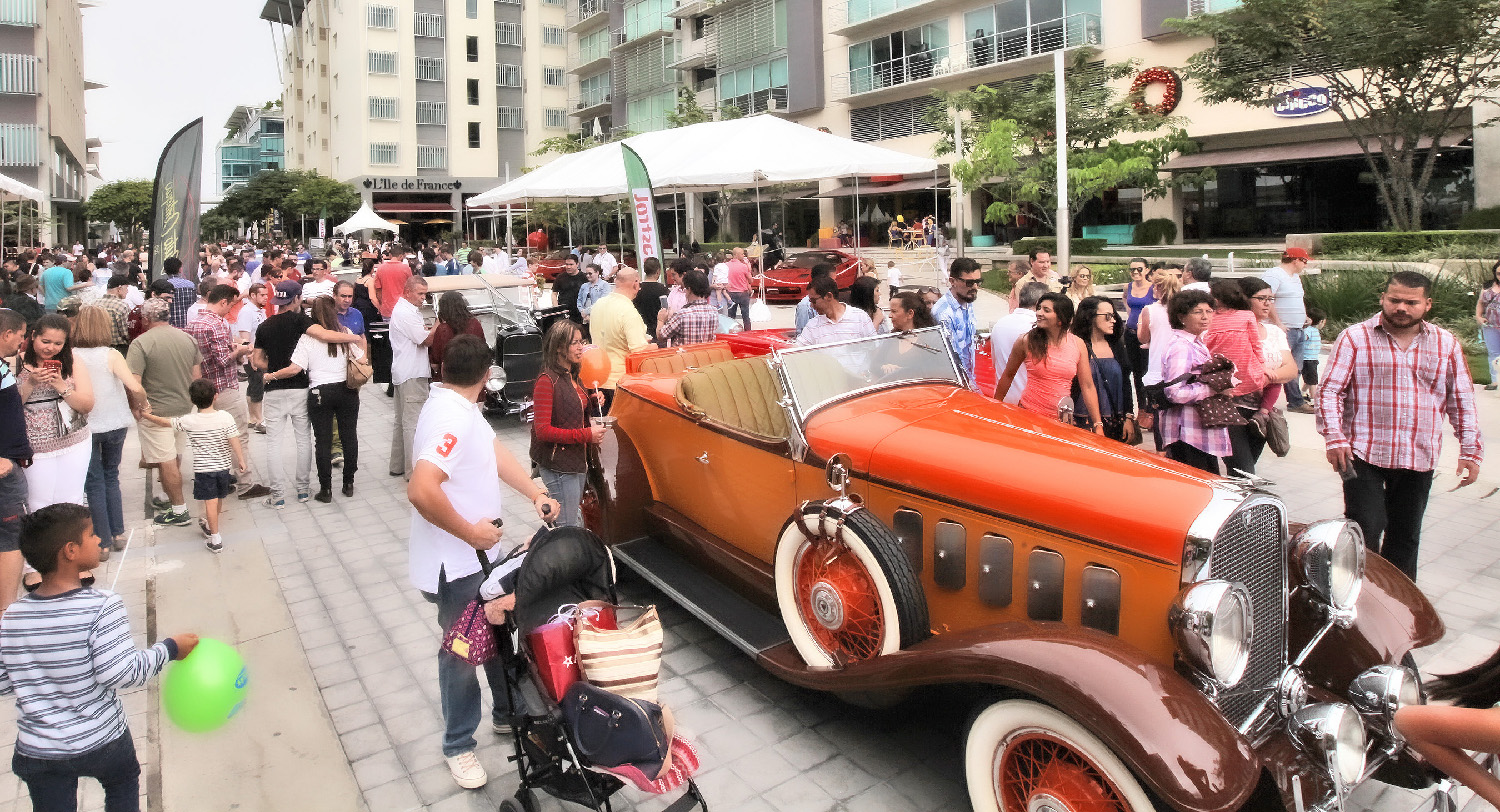
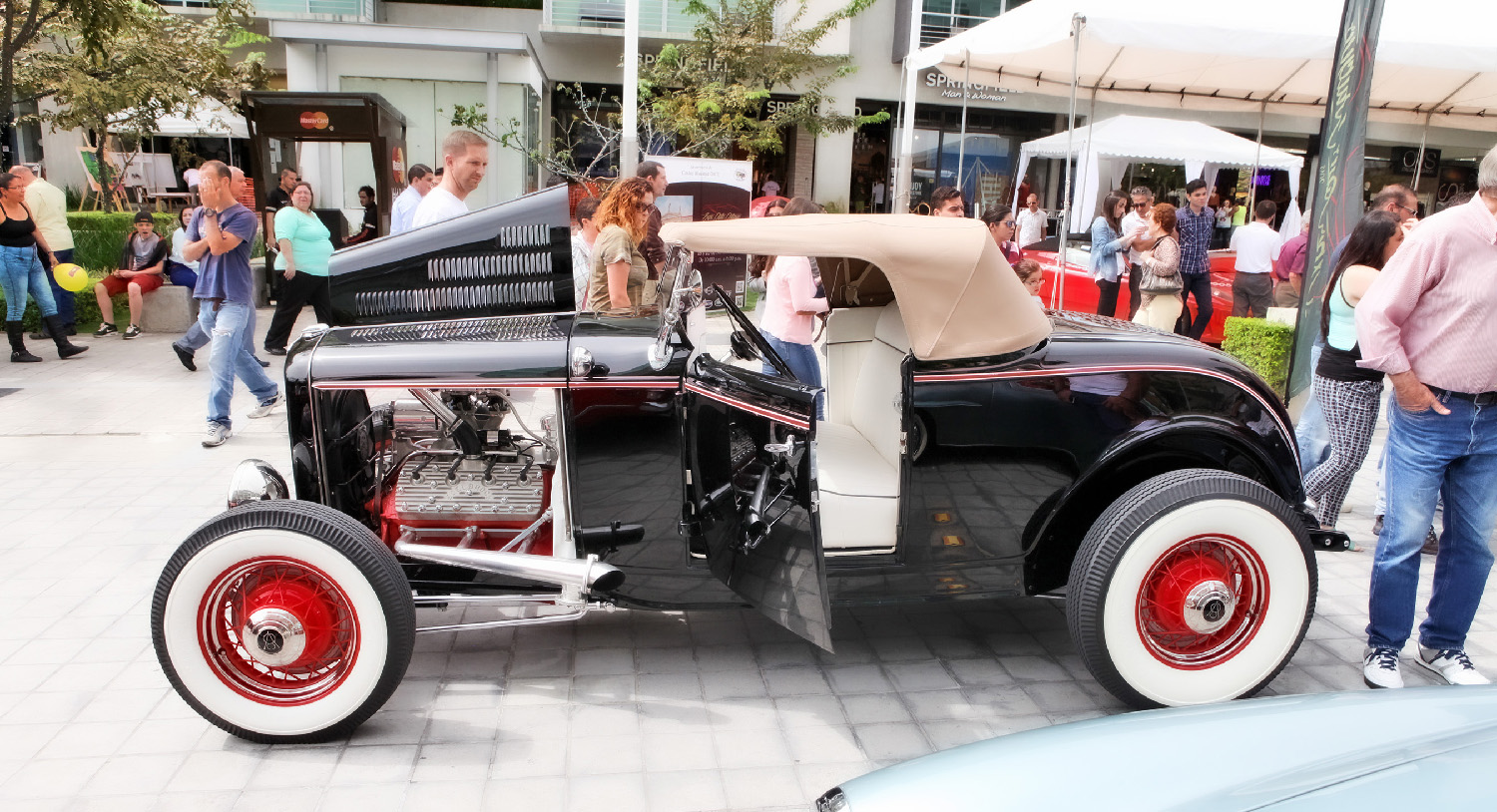
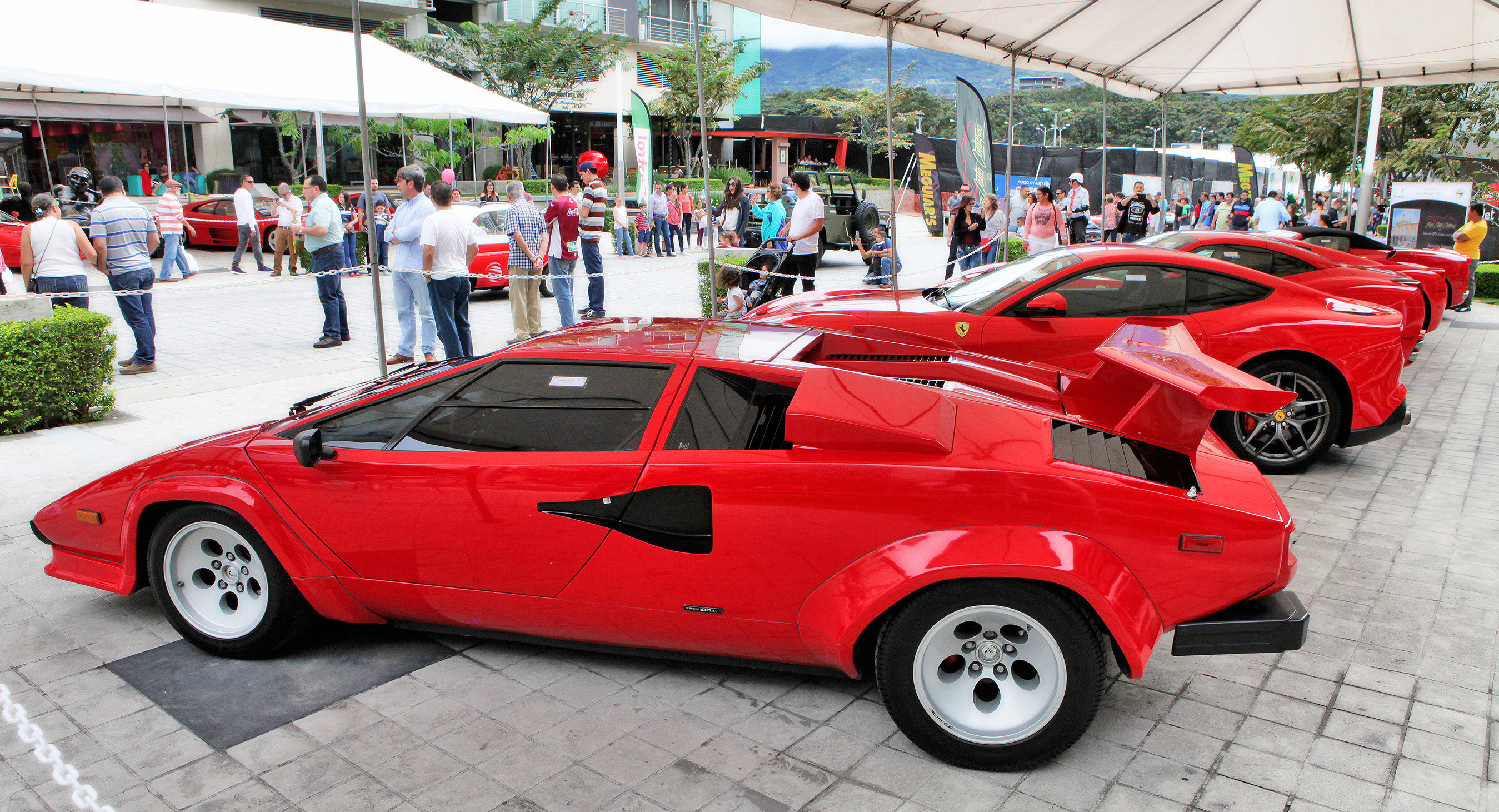
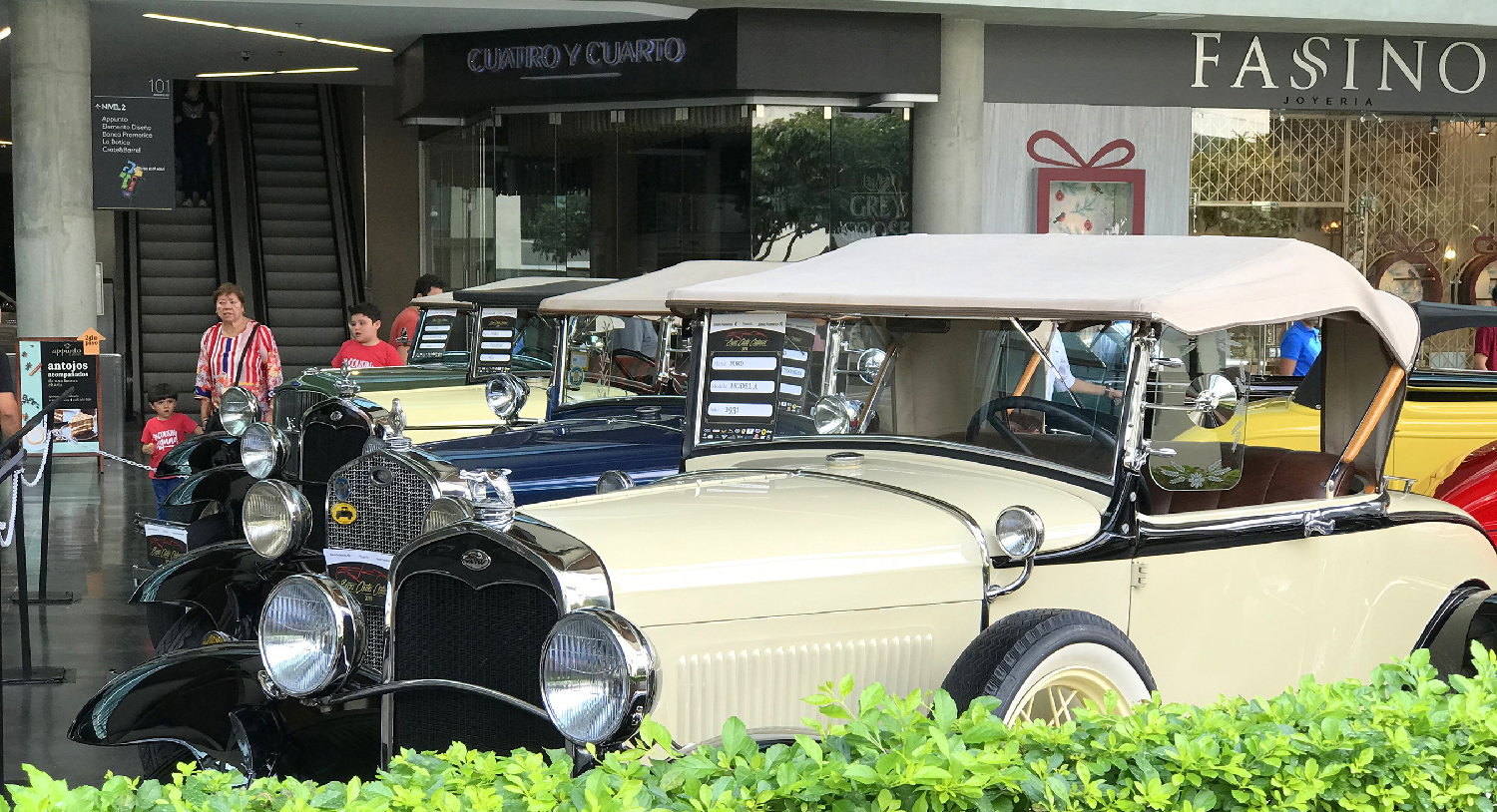
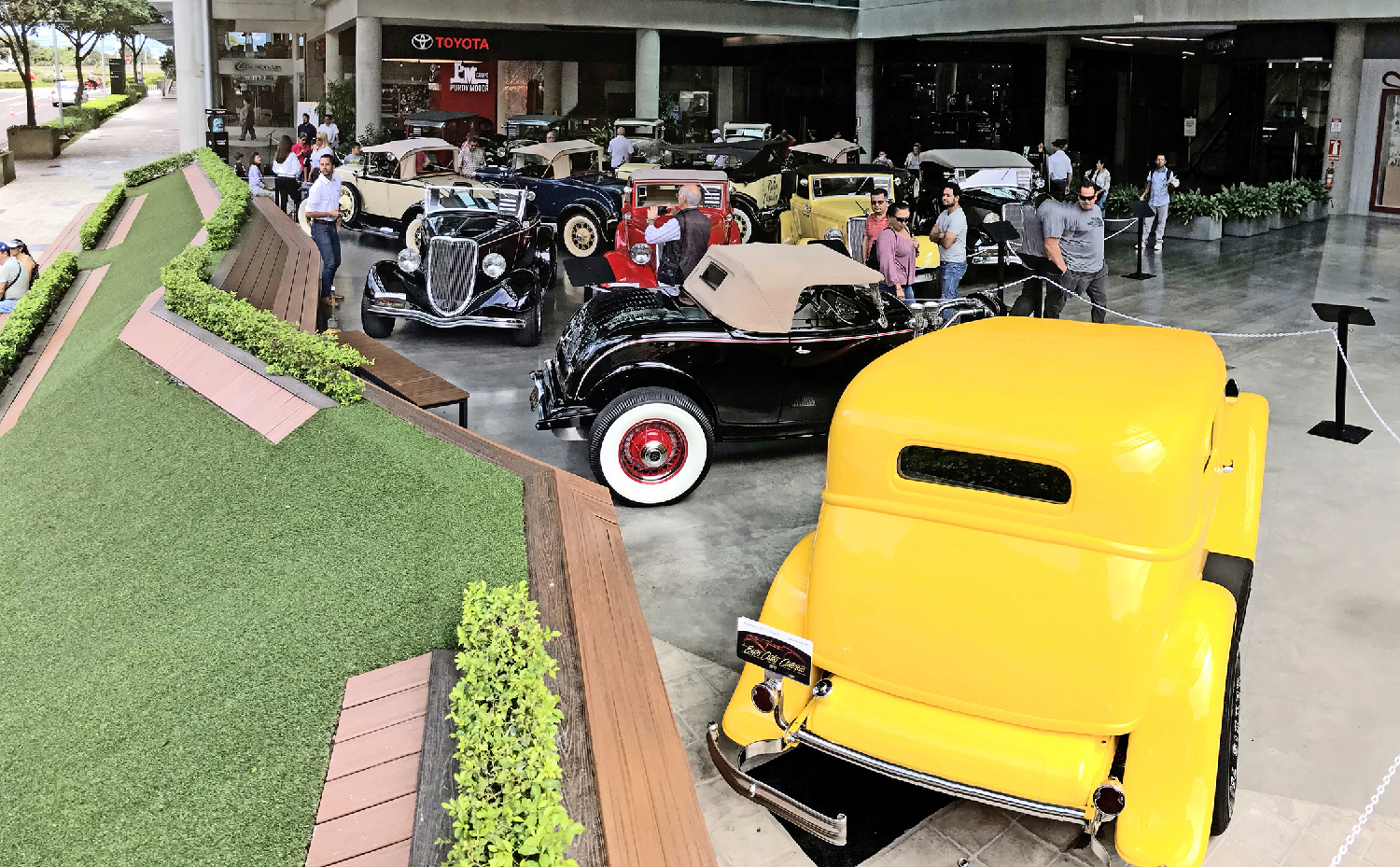
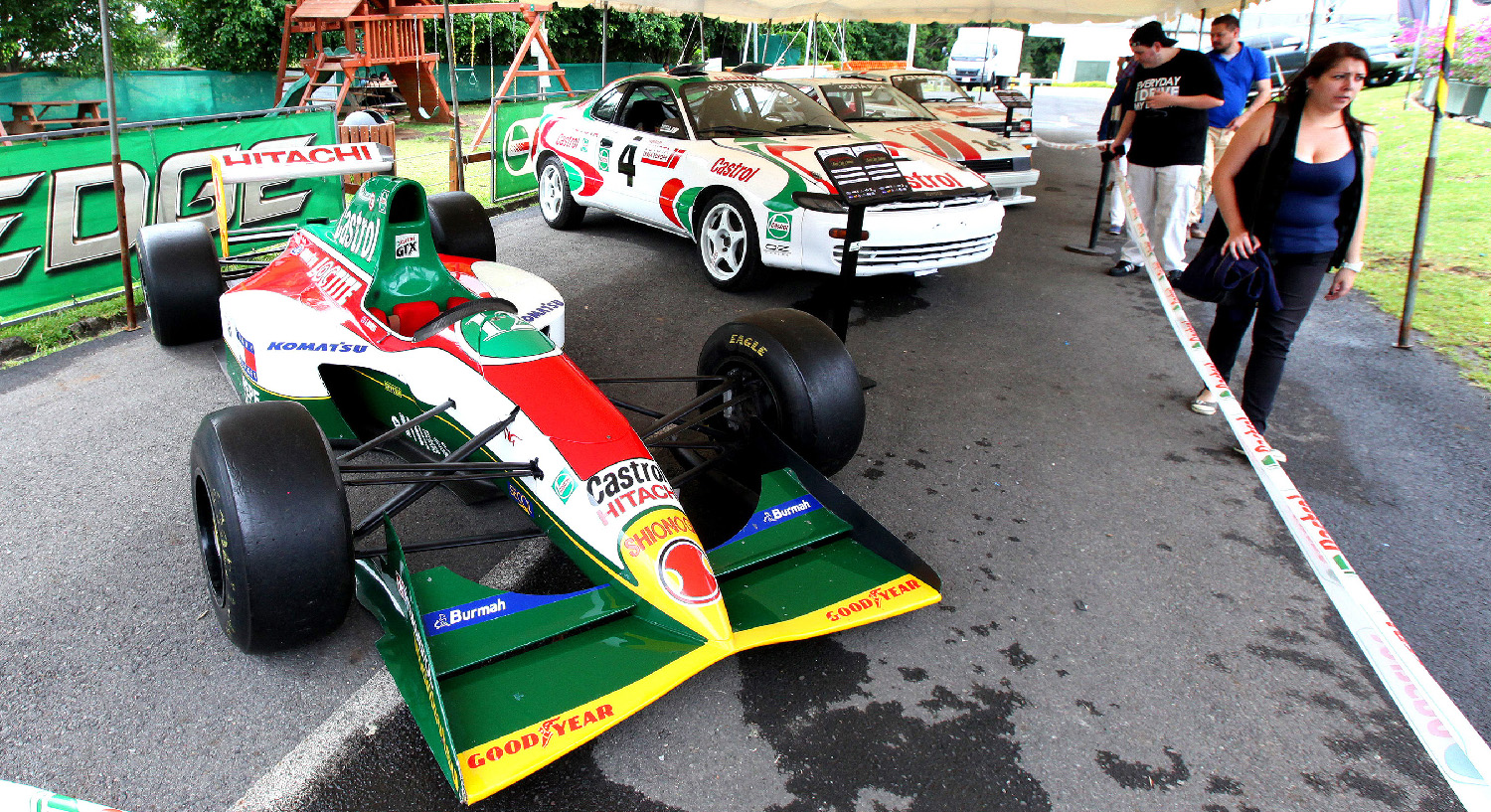
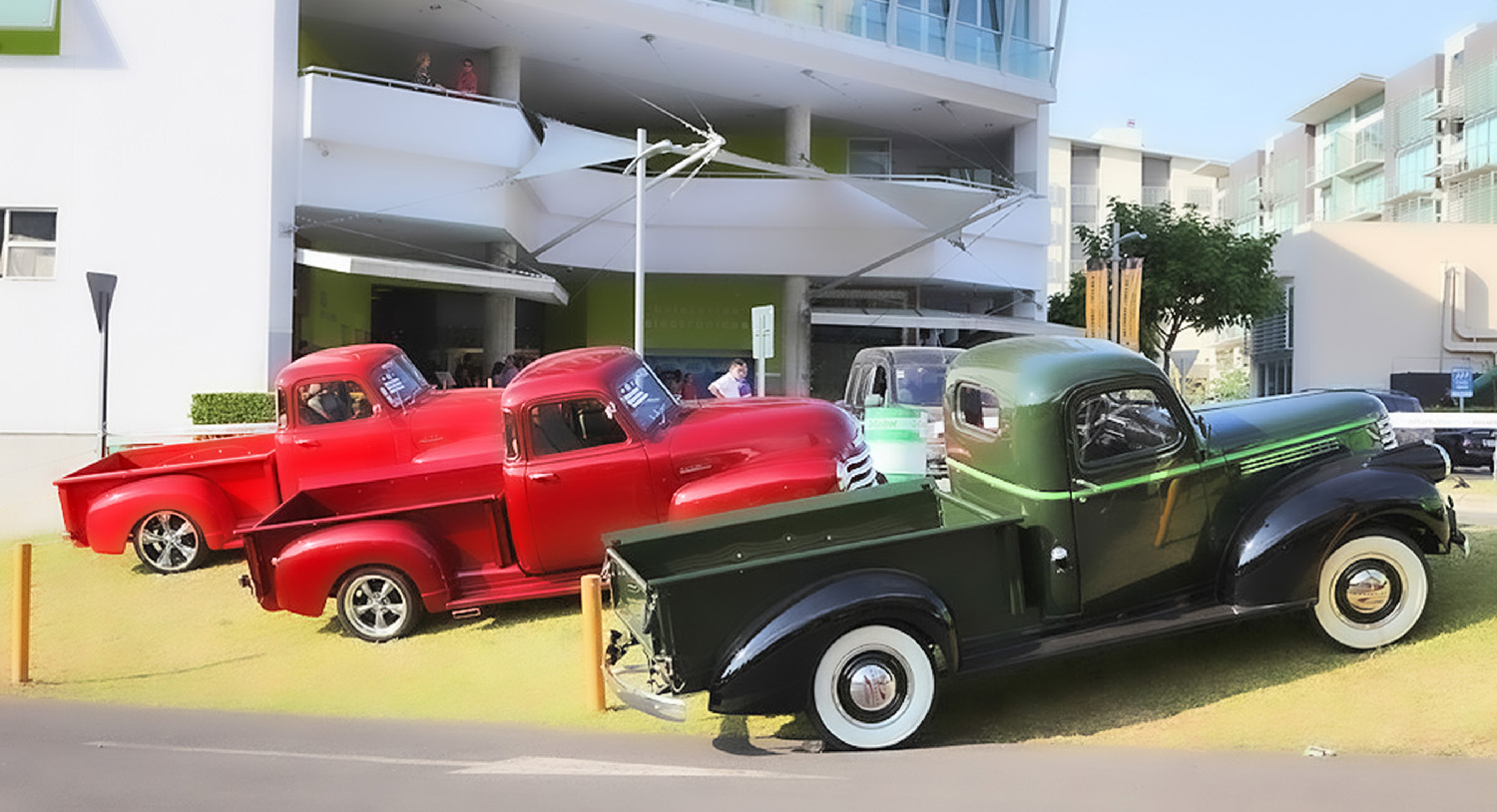
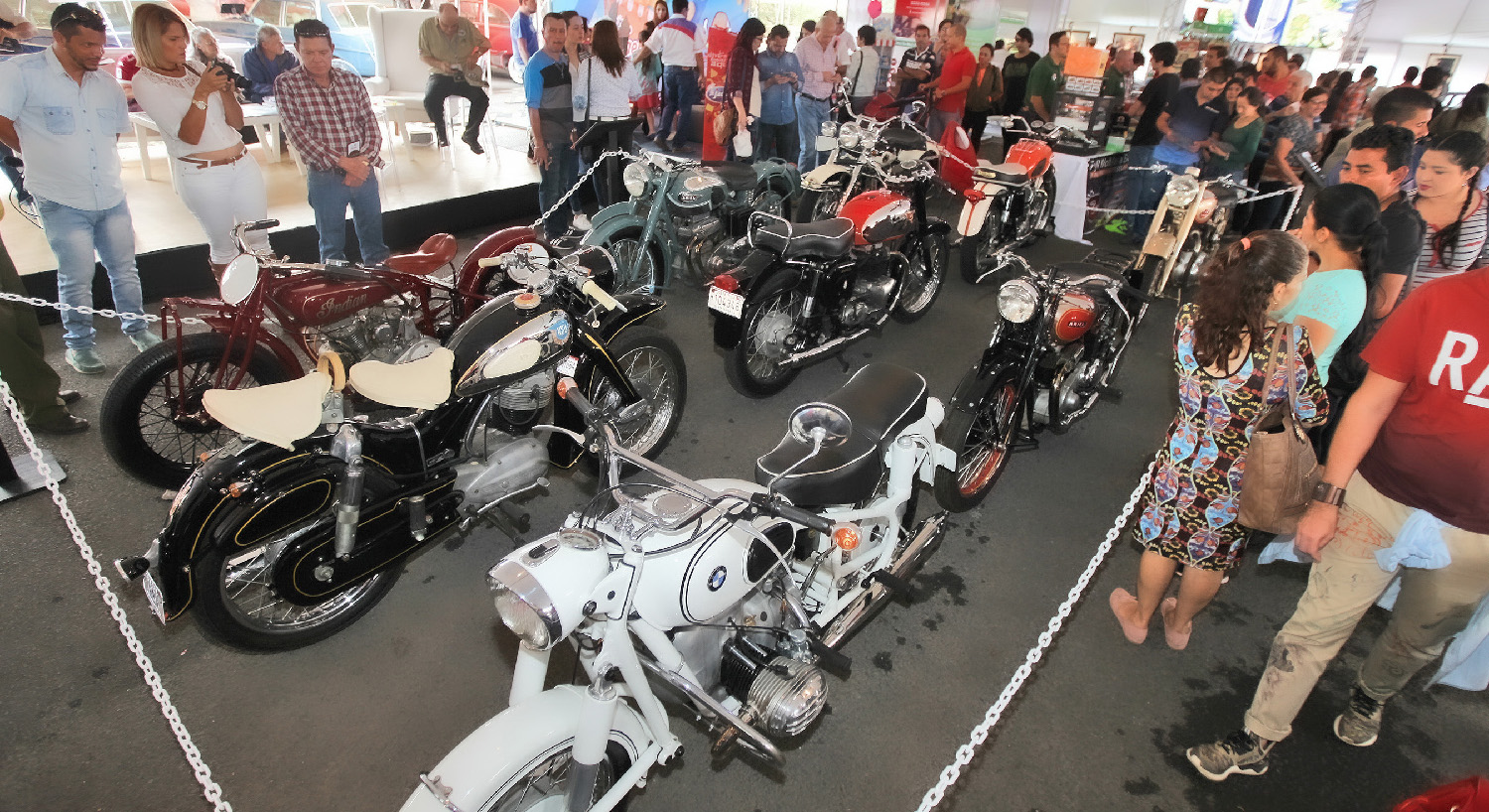
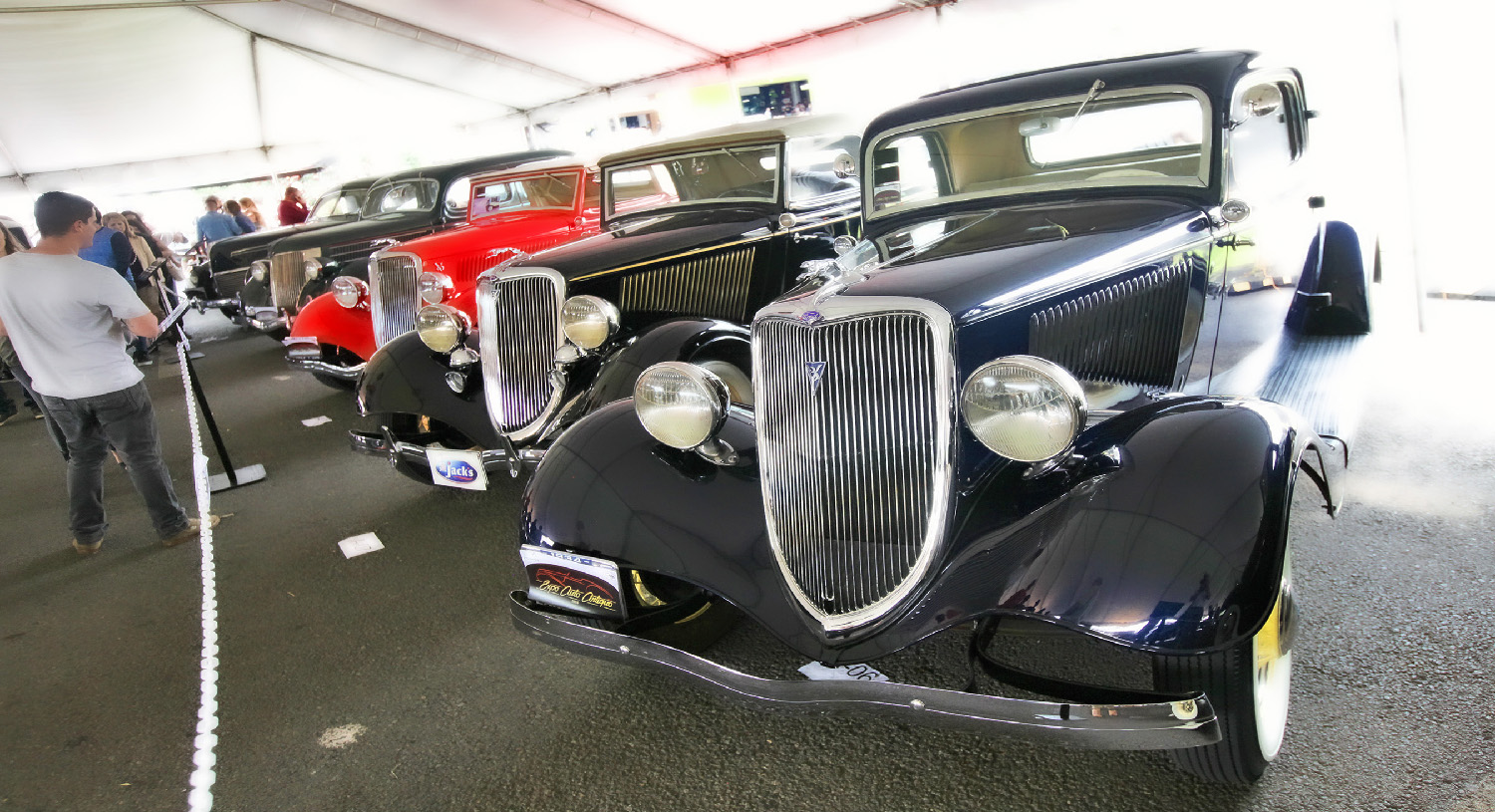
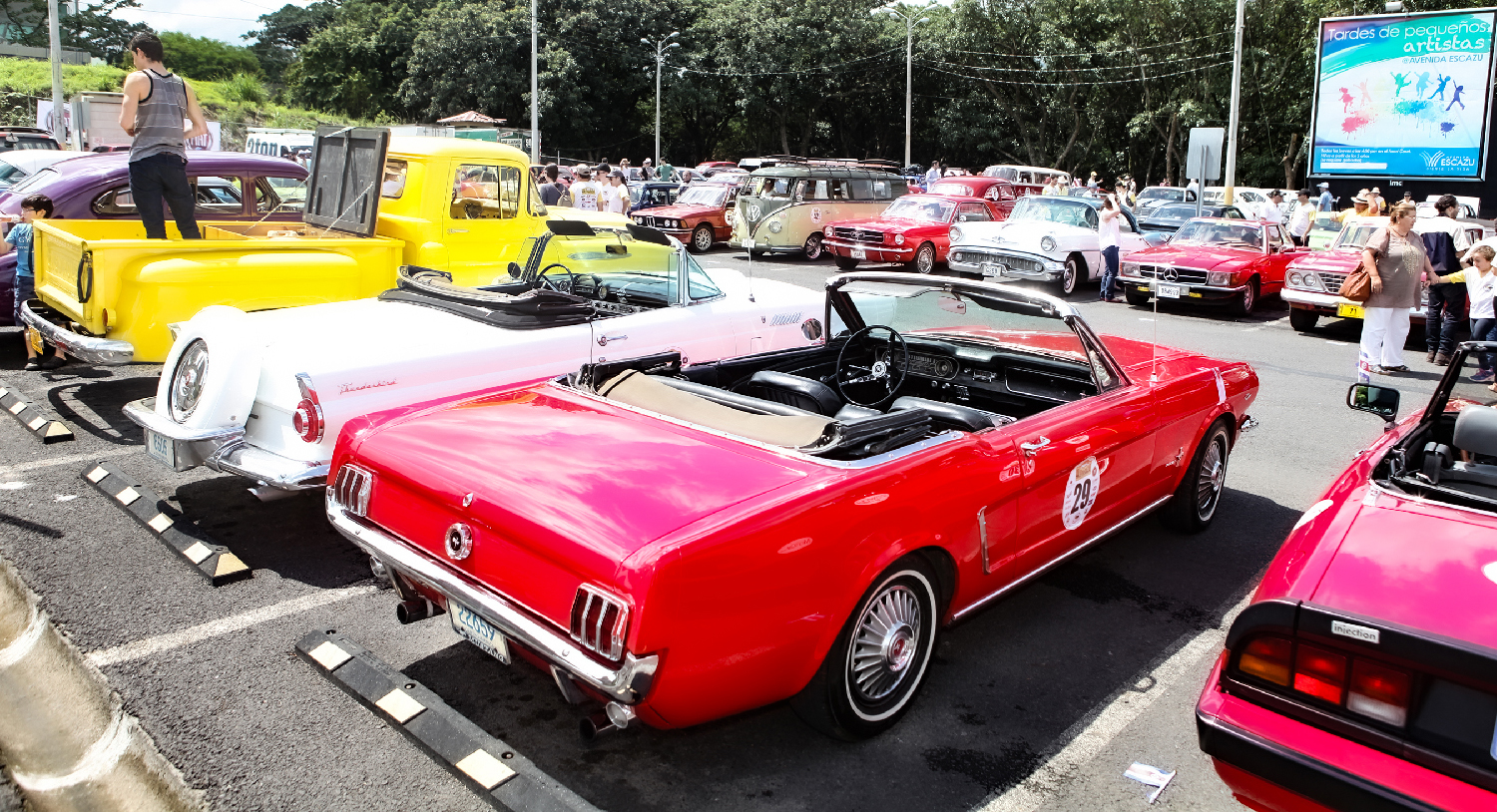
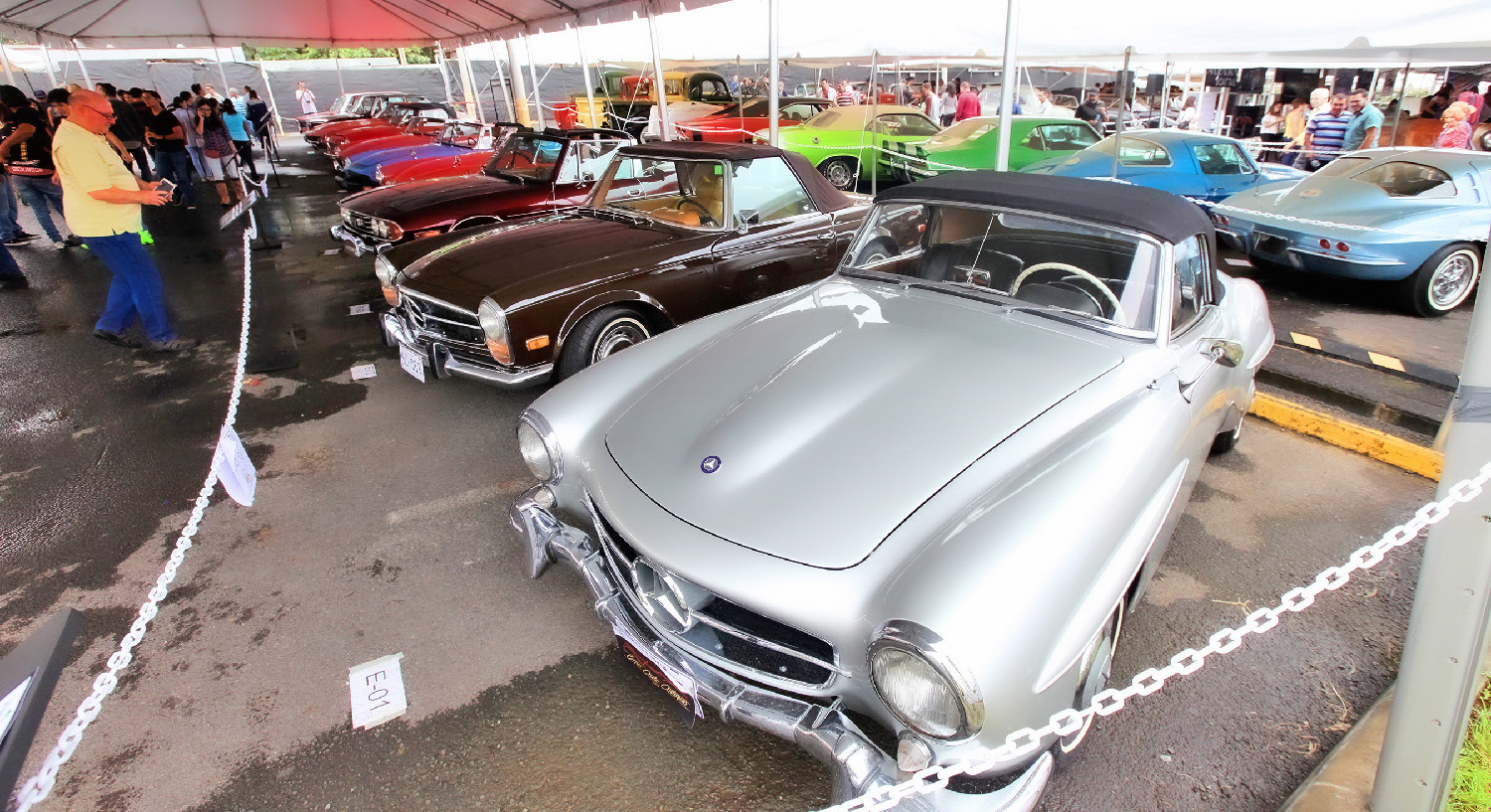
Not exactly my cup of tea, but with several family men really into it, I am “invited” to attend some rather nice classic car shows each year. There is a vibrant classic car culture here in Costa Rica, with very skilled service and restoration shops. You’d be surprised. There are at least three significant annual classic car shows in the Central Valley, featuring impressive vehicles, many of which were fully restored in Costa Rica. They can be imported with a low import tax but with special provisions. Again, you must retain the services of a well-vetted customs broker to import this vehicle economically and efficiently. If you have questions about this, please let me know.
“Lincoln” Laura